
Let's start with the actual numbers
Here's what the research says: about 75% of people with vulvas cannot orgasm from penetration alone. Not sometimes. Not when they're stressed. Not when they're with the wrong partner. Simply cannot. Their bodies need direct clitoral stimulation to reach orgasm, and no amount of love, effort, or different positions changes that basic fact.
For years, this has been framed as a problem. A gap. A deficiency. It's not. It's anatomy. And once you stop treating it like a flaw and start treating it like a design specification, everything changes.
Why penetration alone often isn't enough
Penetration stimulates the vaginal wall, the G-spot area, and the internal structures. That's real pleasure. But the clitoris has about 8,000 nerve endings concentrated in a small space. It's essentially a dedicated pleasure organ. Penetration doesn't directly hit that nerve cluster in most cases, which means the most efficient pathway to orgasm stays untouched.
This isn't a you problem. It's a geometry problem. And geometry has solutions.
Many people spend years thinking they're broken. Thinking their partner isn't good enough. Thinking they need to relax more, want it more, or try harder. None of that is true. What's true is that bodies work the way they work, and the design of most sex doesn't account for that.
The shame conversation that needs to stop
There's a weird cultural narrative where clitoral stimulation during partnered sex reads as "needy" or "not satisfied" or "too demanding." This is toxic and worth naming directly. If your partner flinches when you want clitoral stimulation, that's a partnership problem, not a you problem. Full stop.
Bring a lemon vibrator into partnered sex and you're not adding something you lack. You're adding something that actually works. You're solving a geometry problem with a tool designed for that specific job.
The best partners I've worked with don't see this as rejection. They see it as clarity. "Oh, so this is what actually gets you there. Let's do that." And then they do.
How lemon vibrators change the equation
A lemon clitoral vibrator like the Lem uses suction and pulsing stimulation that targets the clitoris directly. No ambiguity. No hoping the angle is right. You place it, press gently, and your body gets the exact type of stimulation it's built to respond to.
This matters for partnered sex because suction vibrators don't require you to hold them in place with manual pressure. You can rest against them, which means your hands, brain, and body are free to feel your partner and the rest of the experience. You're not managing the toy. The toy is just... working.
The difference is enormous. Traditional vibrators sometimes require constant positioning and pressure. A suction lemon vibrator sits and does its job while you're present for the intimacy part.
Using a lemon vibrator with a partner without it feeling awkward
Here's the honest version: the first time feels a bit weird. You're introducing a new object. There's novelty. That's normal.
What helps:
Talk about it before. Not in the moment. Earlier that day, or days before. Say something like: "I want to try using a vibrator during sex. I know my body responds to clitoral stimulation, and I want us to figure out how to make that work together." You're inviting them into problem-solving, not announcing a unilateral decision.
Frame it as collaboration. "This isn't about you not being enough. It's about me wanting to experience more pleasure with you." Those aren't the same thing, and the language matters.
Start simple. Use it during foreplay first. Get comfortable with how it feels, how he or she or they can help position it, what pressure works. By the time penetration happens, you're already past the awkward intro phase.
Let them participate. Some partners like holding the vibrator. Some like using it while inside you. Some like watching you use it. Ask what feels right for them. This keeps it collaborative instead of performative.
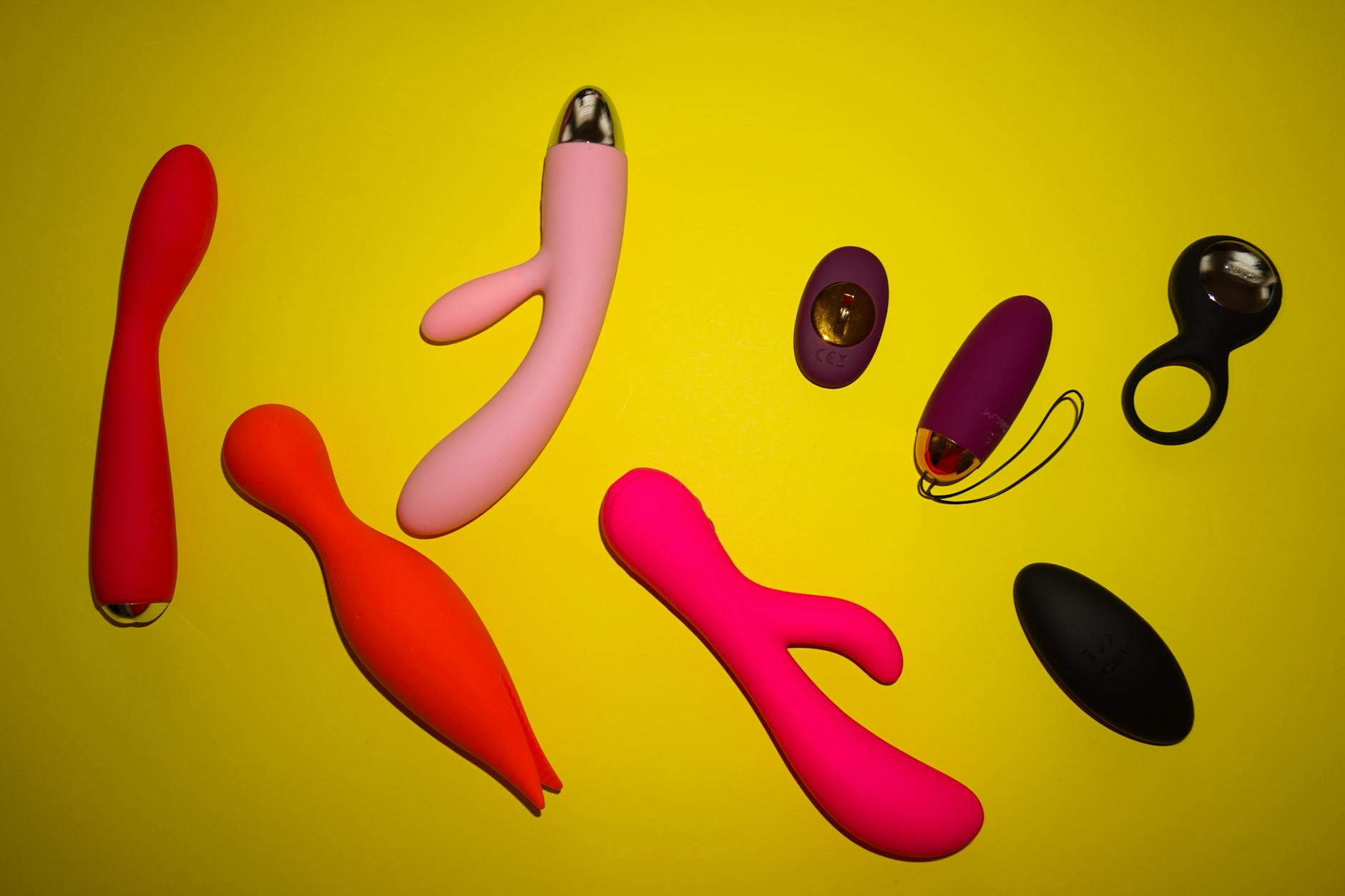
Photo by DRT.fm . on Pexels
The pleasure math that actually works
Let's be concrete about what happens when you add clitoral stimulation to partnered sex.
Without it: you get pleasure from penetration, from intimacy, from the emotional experience. You might not reach orgasm, which often means your body stays in a semi-aroused state. That's frustrating. Your partner might feel like they failed. The whole experience gets tinged with tension.
With clitoral stimulation: you get all of that plus direct stimulation to the part of your body designed to drive you to orgasm. Your nervous system responds. Your body builds arousal instead of plateauing. You reach climax. Your partner gets to feel you come. That's a completely different experience for both of you.
It's not about adding kink or trying something "extreme." It's about solving a basic mechanics problem so pleasure can actually happen.
When a lemon vibrator becomes your secret weapon
I've worked with hundreds of couples where introducing clitoral stimulation during sex completely changed their dynamic. Not because the relationship was broken. Because the sex was incomplete, and nobody had tools to fix it.
The couples who do best with this are the ones who treat it practically. You're not performing. You're not proving anything. You're using a tool because your body needs it to reach a certain place. That's it.
Lemon vibrators are particularly useful for this because suction technology is gentler than traditional vibration and works with your body's natural response patterns. If you're returning to pleasure after antidepressants, or if sensation changes have made traditional vibrators uncomfortable, suction stimulation often feels more intuitive and pleasurable.
The conversation with your partner that matters
If your partner resists or seems threatened by the idea of adding clitoral stimulation, that's information. It might mean they're insecure about their ability to "satisfy" you. It might mean they have old-school ideas about what sex should look like. It might mean they feel like it's a criticism.
All of those are partnership issues that deserve real conversation, ideally with someone trained in couples work. Because here's what I know after decades of working with relationships: partners who genuinely love you want you to experience pleasure. If someone doesn't, that's a much bigger problem than choosing the right toy.
The right tool removes friction. A lemon clitoral vibrator isn't about changing your partner or your relationship. It's about removing a barrier to your own body working the way it's designed to work.
Starting if you're new to this
If you've never used a vibrator during partnered sex, start with a conversation. Show your partner the tool. Explain what it does and why you want to use it. Ask if they have questions or concerns. Then, when you do use it, start slowly. Try it during foreplay. See how it feels. Adjust what you need.
There's no right way to do this. Some couples find that the vibrator becomes a regular part of their sex life. Some couples use it occasionally. Some use it only under specific circumstances. The point is that you have an option that actually works for your body.
The real benefit nobody talks about
Once you stop feeling like something's wrong with you, and start treating clitoral stimulation as a basic requirement for your orgasm, your whole relationship with sex changes. You stop apologizing. You stop performing. You stop trying to fit yourself into a model that doesn't fit.
You just have sex that actually works.
People also ask
Is it normal to need clitoral stimulation during partnered sex?
Completely normal. About three-quarters of people with vulvas require clitoral stimulation to orgasm during partnered sex. This isn't unusual or broken. It's basic anatomy. The clitoris has thousands of nerve endings, and penetration alone doesn't always activate them. Adding direct clitoral touch is how most bodies are designed to reach orgasm.
Can my partner use a vibrator on me during penetration?
Yes, absolutely. Many partners hold or use a vibrator on the clitoris while also being inside you. Some find this easier than you managing the toy yourself. Others prefer you to control it so you can find the exact angle and pressure that works. Talk about what feels natural for both of you.
Will using a vibrator make penetration feel less good?
No. Penetration provides different sensations than clitoral stimulation. They work together, not against each other. Many people report that combining clitoral stimulation with penetration creates more intense pleasure than either alone, because your whole body is engaged.
What if my partner thinks a vibrator means they're not enough?
That's a conversation worth having directly. You might say something like: "I love being with you. My body also needs clitoral stimulation to reach orgasm. That's not about you. It's about my anatomy. I want us to figure out how to do this together." If your partner still resists, that's worth exploring with a couples therapist, because the issue isn't really about the vibrator.
How do I know if a lemon vibrator is right for me?
If you've struggled to orgasm during partnered sex despite wanting to, or if penetration alone doesn't get you there, clitoral stimulation is worth trying. Lemon vibrators use suction, which feels different from traditional vibration and often works well for people who find direct vibration too intense or uncomfortable. Start with a conversation with your partner, then try it during foreplay to see how it feels.
Can we use a lemon vibrator if we don't have penetrative sex?
Completely. A lemon clitoral vibrator works beautifully for any kind of partnered sex. You might use it during manual stimulation, oral sex, or non-penetrative partnered play. The point is that it gives direct, focused stimulation to the clitoris. What's happening with the rest of your bodies is up to you.
The bottom line
Most people with vulvas need clitoral stimulation to orgasm during partnered sex. That's not a flaw. It's how bodies work. Once you accept that and add a tool that actually addresses that need, sex stops being something you perform and becomes something you experience. Your partner gets to be part of creating pleasure instead of managing expectations. Everyone wins.
A lemon vibrator is that tool. Simple. Effective. No apologies required.
If you're ready to explore this, start with honesty. Talk to your partner. Be clear about what your body needs. Then figure out how to make it happen together. That's what real partnership looks like.