The thing nobody tells you about medication and sex
Let's be real. Antidepressants save lives. They pull you out of the dark. They let you breathe, think straight, show up for the people you love. And then they do something your doctor probably mentioned once in a five-minute appointment: they change how your body experiences pleasure.
Not everyone. But enough people that it's worth talking about. And when it happens, the instinct is usually to blame the meds, or blame yourself, or blame your partner. The actual answer is messier and more hopeful than that.
What SSRIs actually do to arousal
Most antidepressants (particularly SSRIs like sertraline, fluoxetine, and paroxetine) work by increasing available serotonin in your brain. That's the neurochemical that helps regulate mood. But serotonin also plays a role in sexual response. It can slow down arousal, delay or flatten orgasm, or numb the physical sensation of touch even when your brain is willing.
Here's what's happening physiologically: serotonin dampens dopamine signaling, and dopamine is the "want" chemical. Desire drops. Your body takes longer to build toward climax. When you do get there, the peak feels muted, like watching a movie through frosted glass.
This is not a personal failure. This is basic neurology.
The good news: unlike some side effects, this one is almost always manageable once you understand it's happening and stop blaming yourself for it.
How long does it take to adjust
The frustrating answer is: it depends. Some people's bodies adjust to antidepressants within 2-3 months. Others never quite do. For many, the first 6-8 weeks are the worst, then sensation slowly returns. Some find a plateau where things feel different but workable.
The dopamine hit is lower, but it's not zero. You're not broken. You're recalibrating.
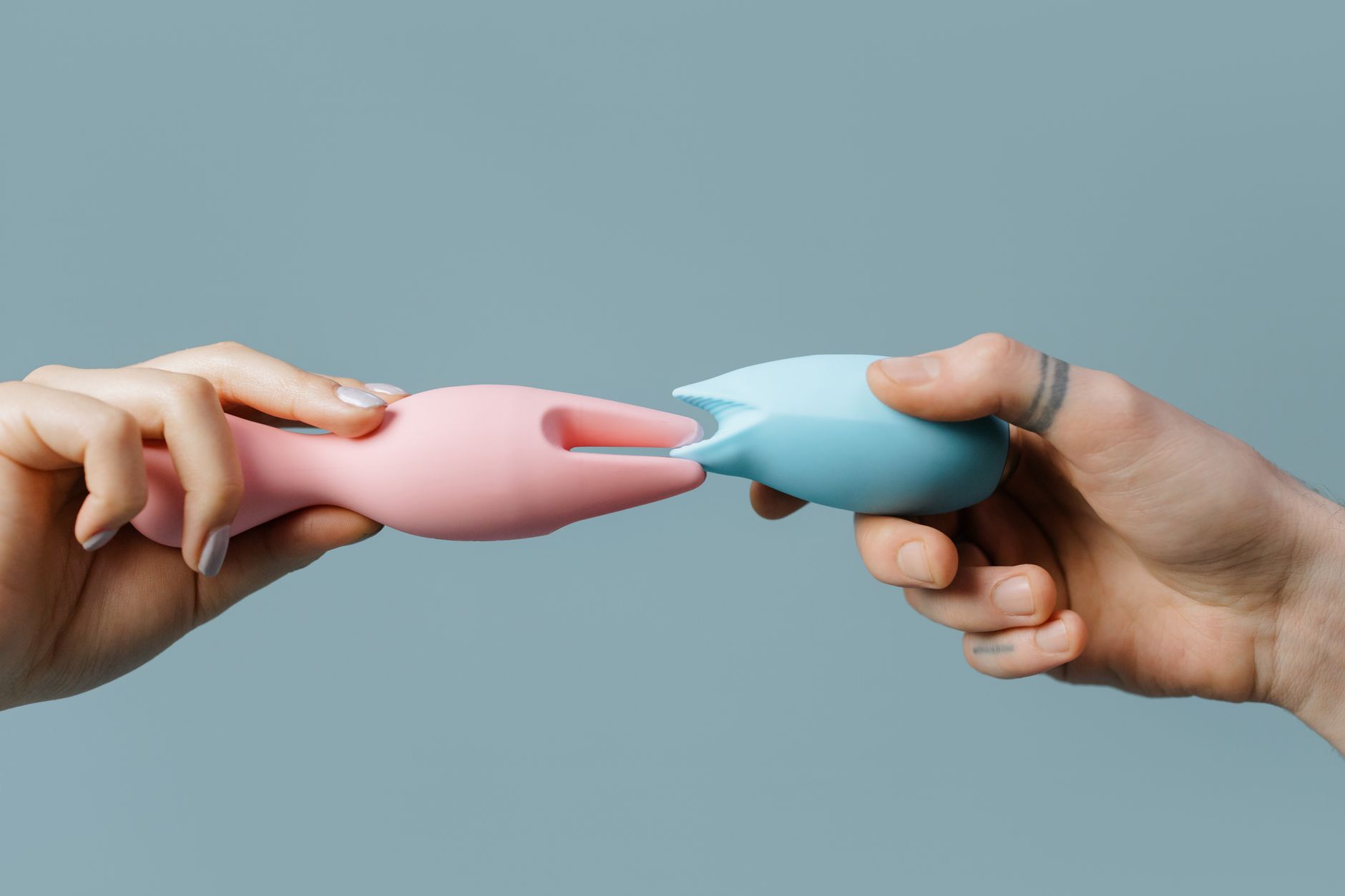
This is where the lemon vibrator design becomes really useful. Instead of relying on your body to generate arousal from nothing, suction-based stimulation like the Lem works directly with the neural pathways that antidepressants haven't fully blocked. It's not about forcing an orgasm. It's about offering your body a different entry point.
Why your options feel limited right now
When arousal is muted, traditional vibration can feel either way too intense or weirdly distant. The mechanical buzz doesn't land the same way. You're trying to feel something that's behind a chemical curtain, and it's exhausting.
Lemon sexual toys that use suction instead of vibration work differently. They stimulate the clitoris through gentle, rhythmic pressure rather than direct friction. For people on SSRIs, this often feels more accessible because it doesn't depend on the same neural pathway that serotonin is dampening. You're bypassing the block rather than ramming into it.
The Lem, for example, uses airwave patterns that mimic natural suction. It's one of the reasons people who say "nothing works anymore" often find lemon clitoral vibrators feel like finally finding the right frequency.
Talk to your prescriber before changing your meds
Here's the obvious part: don't stop taking your antidepressant because sex feels weird. That's not the answer. Depression is worse than numb orgasms. Full stop.
What you should do is tell your doctor about this side effect. Seriously. They've heard it before. You have options. Some people find that switching to a different SSRI (or trying a non-SSRI antidepressant like bupropion, which doesn't typically dull sensation) helps. Others add a small dose of a second med that counteracts the sexual side effect. Some add an herbal supplement like ginseng or maca.
Your doctor needs to know to even explore these paths with you. And you deserve to have this conversation without shame.
The physical adjustments that actually help
While you're talking to your prescriber, here are the changes that most of my clients find shift the experience.
First, budget time differently. Antidepressants slow arousal, so the 10-minute quickie isn't going to cut it. Plan 30-45 minutes and treat that as the new baseline. This isn't about effort, it's about neurology giving your body the runway it needs.
Second, warm up your body first. Take a hot shower, move around, get blood flowing. When serotonin is dampening arousal signals, basic circulation helps. You're essentially priming the pump before you reach for a lemon vibrator or any toy.
Third, reduce distraction. Depression often comes with rumination and intrusive thoughts. Your brain is already working harder to focus. Kill notifications, lock the door, create a space where your attention can actually land on sensation. Your partner should understand this isn't romantic, it's practical.
Fourth, use lubricant generously. Antidepressants can reduce natural lubrication alongside sensation. A good water-based lube makes physical touch less jarring and helps your skin feel more responsive. It's not a workaround, it's part of the protocol.
How to use lemon vibrators when sensation feels muted
Start with the lowest setting. Not because you're fragile, but because when you're chemically muted, high intensity can feel overwhelming and then nothing. Low pressure gives your nervous system room to wake up.
Focus on exploration rather than outcome. The goal isn't orgasm (though that might happen). The goal is noticing: where does this feel good? What pattern makes my body respond? Is it the pressure, the rhythm, the warmth of anticipation? When pleasure feels distant, curiosity becomes the gateway back in.
Let sensations build slowly. Spend 5-10 minutes on the lowest settings before increasing. If you're used to orgasming in 15 minutes, this slower pace feels frustrating. But it's actually how antidepressants are asking your body to work. Meeting it there, instead of fighting against it, usually opens the door faster.
Pay attention to what changes throughout your cycle (if applicable) or day. Some people on SSRIs notice sensation improves on certain days, or mornings feel more responsive than evenings. This isn't random. You're learning your body's new map. That data matters.
The emotional part nobody mentions
Here's what I see most often: people on antidepressants feel like their sexuality is being stolen from them. There's grief in that. There's sometimes anger at their partner for wanting to have sex when it feels like a chore. There's shame that their brain, which desperately needed these meds, is now in the way of feeling desired.
That's real. And it matters.
If you have a partner, this conversation needs to happen outside the bedroom. "My body is responding differently to meds" is not the same as "I don't want you." But it's easy to confuse the two. You're not less sexual. You're sexually recalibrating. Those are different things.
For some people, antidepressants end up being a gift because they force a reckoning with what authentic pleasure actually feels like when desperation and shame aren't driving it. For others, it's an unwelcome adjustment that you'll spend months managing. Both are valid. Both are temporary, even if temporary feels like forever right now.
When to consider switching medications
If you're 3+ months into a medication and sexual function hasn't shifted at all, and it's genuinely affecting your quality of life and your relationships, it's worth a second conversation with your prescriber. Some people need a different class of antidepressant. Bupropion (Wellbutrin), for example, works on dopamine and norepinephrine rather than serotonin, and many people report that sexual side effects are minimal.
Others stay on their current med and add something that counteracts the effect. This is a conversation, not a decision you make alone.
But here's what I tell people: the goal is not to sacrifice mental health for sexual function. The goal is to find the med that gives you both. That might take adjusting. That's normal.
FAQ: Antidepressants and sexual function
Why do some antidepressants affect sex more than others?
It comes down to which neurotransmitters each medication targets. SSRIs and SNRIs (which affect serotonin and sometimes norepinephrine) are more likely to cause sexual side effects because serotonin directly influences arousal and orgasm. Bupropion and some other medications have lower rates of sexual side effects because they target dopamine differently. Your prescriber can walk you through which meds are most likely to preserve sexual function if that's a priority for you.
Can I use lemon adult toys safely while on antidepressants?
Absolutely. There are no interactions between SSRIs and clitoral vibrators or lemon sexual toys. If anything, they can help you access pleasure that feels blocked. The only consideration is keeping the toy clean and using water-based lubricant (which matters anyway when sensation is muted, since natural lubrication is often reduced). Make sure the toy you choose is body-safe silicone.
How long until I can orgasm again like I used to?
It varies wildly. Some people regain their pre-medication baseline within months. Some adjust to a new baseline that feels different but good. Some find that switching medications helps. And some people, honestly, stay on their current med because the mental health benefit outweighs the sexual adjustment. There's no universal timeline. What matters is being patient with your body and not assuming the numbness is permanent.
Is it normal to feel less desire for my partner, or is it the medication?
It's almost certainly the medication. Antidepressants dampen dopamine, which is the "want" chemical. That desire will likely return (or adjust to a new normal) as your body calibrates. This doesn't mean you don't love your partner. It means your brain chemistry needs runway. Couples therapy or sex therapy can help bridge that gap while you're adjusting. A marriage and family coach can help you both reframe what desire looks like during medication adjustment.
Should I tell my partner that antidepressants are affecting my sex drive?
Yes. Absolutely yes. Here's why: if you don't, they might interpret muted response as lack of interest in them. That creates a spiral of resentment and misunderstanding. If you do, you're inviting them into the actual problem, which is neurochemistry, not your relationship. Frame it as "My body is adjusting to medication and I might need more time or different stimulation" rather than "I don't want you." Huge difference in how they'll respond.
Can I combine a lemon vibrator with other strategies to improve sensation?
Yes. Therapy (especially cognitive-behavioral or somatic therapy), communication with your partner, longer warm-up time, reduced stress, and sometimes herbal supplements all work together. The Lem or other lemon clitoral vibrators are one tool in a larger toolkit. They work best alongside these other pieces.
The bottom line
Antidepressants changing how your body feels is real, common, and manageable. You don't have to choose between mental health and sexual pleasure. You do have to give your body time to adjust, communicate clearly with your prescriber and your partner, and be willing to explore what pleasure feels like on the other side of medication.
Lemon vibrators, specifically the suction-based designs that work through a different neural pathway, often help bridge that gap. Not because they're a miracle fix, but because they meet your body where it actually is right now, not where it was before.
Your pleasure matters. Your mental health matters more. The goal is finding the intersection where both are true.
If you're struggling with this, talk to your doctor. And if you want support unpacking how medication changes are affecting your relationship and intimacy, reaching out to a relationship coach can help both you and your partner navigate this transition with more ease. You don't have to do this alone.