
Here's what actually changes when your hormones shift
Let's be real. You've probably noticed that what felt amazing five years ago doesn't quite land the same way now. Your body isn't broken. It's just responding differently to the same stimulation. And that's not a flaw. It's actually an opportunity to find something that works better.
When estrogen levels drop (whether from age, medication, or life stage), the tissue around your clitoris gets thinner. That same tissue also becomes less elastic and slightly less sensitive to direct pressure. This is why vibrators that worked beautifully before can suddenly feel either too intense or weirdly disconnected. You're not imagining it.
Why traditional vibrators stop feeling right
Most vibrators work through direct mechanical vibration. Think of it like knocking on a door. The faster and harder the knock, the more sensation you feel. For thicker, more hormone-dense tissue, that makes sense. Your clitoris is further from the surface, more cushioned, more forgiving of intensity.
But after hormonal changes, that same vibration can feel irritating, numb, or even painful because the tissue is closer to the surface. You've essentially lost your natural padding. Standard vibrators don't know this. They just keep vibrating at the same frequency, designed for the body you used to have.
This is why you might find yourself turning up the intensity to feel anything, then being shocked by how raw things feel afterward. It's not weakness. It's a mismatch between your body and the tool.
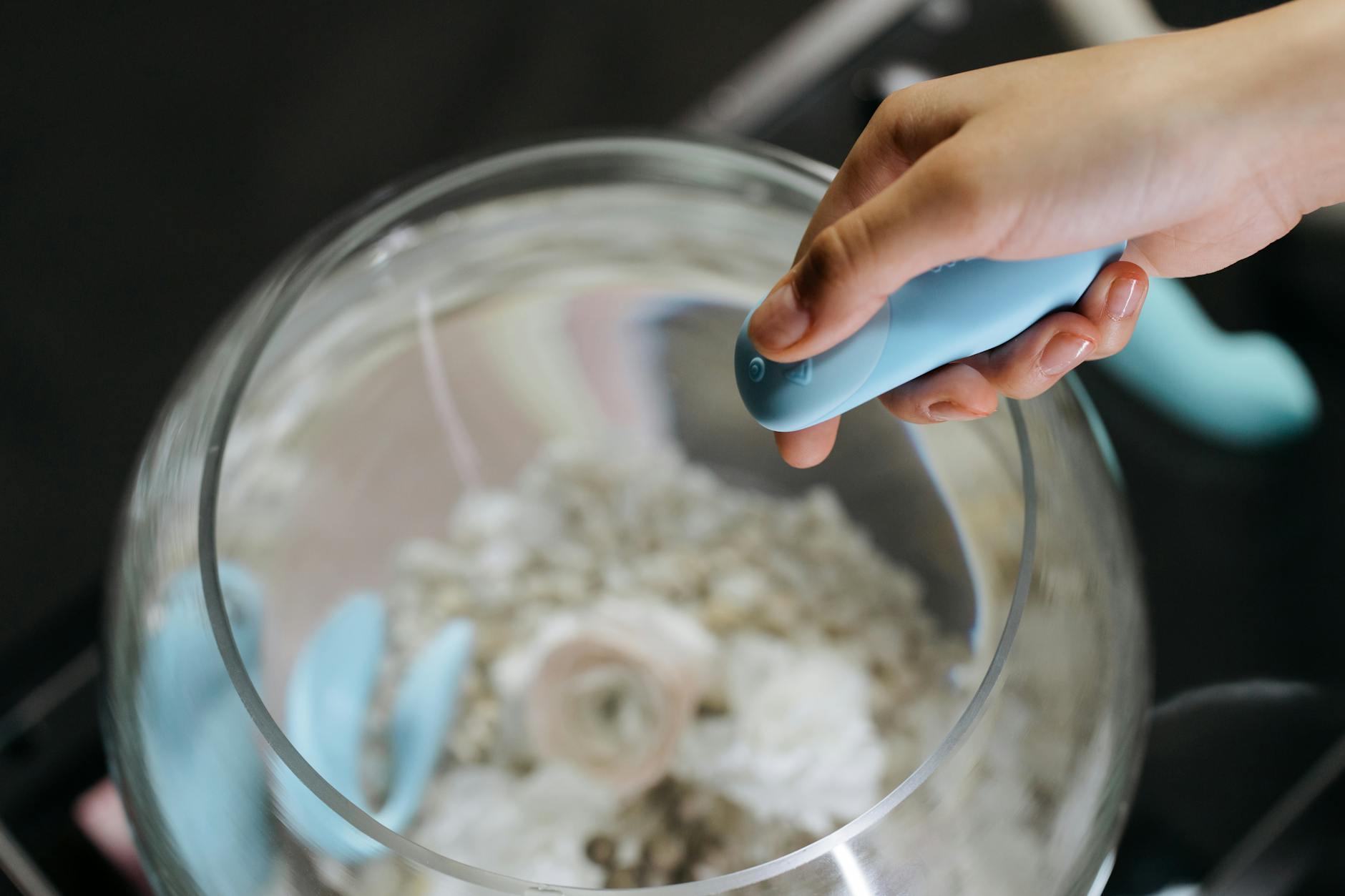
Photo by cottonbro studio on Pexels
What suction-based lemon vibrators actually do differently
Instead of knocking, suction gently pulls. A lemon clitoral vibrator (like the Lem) uses a combination of soft suction and pulsing rhythm to create sensation without relying on direct friction or raw pressure. The suction draws the clitoral tissue slightly into the chamber, which:
- Spreads pressure over a wider area rather than concentrating it
- Stimulates deeper nerve clusters without aggressive contact
- Feels less dependent on tissue thickness, because suction works through gentle pulling rather than direct vibration
- Allows the toy to adapt to your anatomy in real time
Think of it this way. A traditional vibrator is like tapping your fingertip repeatedly. Suction is more like cupping your hand and gently drawing something toward you. One is percussion. The other is a pull.
For bodies that have experienced hormonal changes, that pull is almost always more comfortable and often more pleasurable. It doesn't require you to choose between feeling something and feeling okay afterward.
The tissue thickness factor
Here's the physiology that nobody explains clearly. When estrogen drops, your clitoral tissue loses collagen. Less collagen means less structural support underneath. With traditional vibrators, you're essentially vibrating tissue that's closer to underlying nerves, which can create a buzzing sensation that misses the mark.
With suction, you're using gentle negative pressure to draw that tissue into a chamber. That action actually engages the deeper erectile tissue of the clitoris, which hormone shifts affect less severely. You're not relying on surface sensation. You're creating it from the inside out.
This is why many people report that lemon vibrators feel different than traditional vibration. They're not just different. They're specifically engineered for bodies where surface tension matters less and depth matters more.
Why intensity levels work better with suction
Most standard vibrators come with patterns based on speed. Faster, harder, more. This logic breaks down after hormonal shifts because your tissue can't accommodate aggressive speed without irritation.
Lemon-style suction vibrators use intensity differently. Instead of ramping vibration speed, they adjust suction strength and pulsing rhythm. A higher intensity setting on a suction toy pulls a little more firmly and pulses a little faster, but it's not exponentially more raw. Your tissue gets stronger sensation without increasing friction.
That's why people who swear off vibrators after hormonal changes often find that a lemon vibrator brings pleasure back into their life. It's not about lowering standards. It's about switching from a tool designed for one body to a tool designed for yours.
Recovery time and comfort afterward
One detail that hardly anyone discusses: what happens to your body in the hours after pleasure. With traditional vibrators and hormonal shifts, that recovery can involve soreness, irritation, or just general rawness that discourages you from exploring again soon.
With suction-based lemon vibrators, most people report no aftereffect. Your tissue isn't being abraded. It's being gently pulled and released. This means you can explore pleasure more frequently and more confidently, without that underlying worry about irritation.
If you do experience soreness, how to use lemon vibrators on sensitive skin without irritation covers practical adjustments. But honestly, most people find that suction toys naturally feel gentler from the start.
The role of lubrication
With traditional vibrators after hormonal shifts, lube becomes almost mandatory. It's not optional. Without it, the friction becomes uncomfortable quickly.
With suction vibrators, lube is nice but less critical. Suction creates its own sensation through pulling, not friction. Many people find they need less lube, or can use lighter formulations that traditional vibrators would fight against. This matters because it means less cleanup, more spontaneity, and frankly, more freedom.
If you do use lube with a lemon vibrator, water-based always. Silicone lube can degrade silicone toys over time, and you want your investment to last.
Making the switch from traditional to suction
If you've been using the same style of vibrator for years, switching to suction feels genuinely different. It's not an upgrade in the traditional sense. It's a completely different sensation language.
Start on the lowest settings. Let your body relearn what intensity feels like through suction rather than vibration. Most people find that patterns 1-3 on a lemon vibrator (like the Lem) deliver more sensation than they expect. Your clitoris isn't less sensitive. You're just stimulating it differently.
Give it three sessions minimum before deciding. Your nervous system needs to adjust. By session three or four, most people realize they've found something that actually works better with their current body, not despite it.
When other body changes stack up
If hormonal shifts are combined with something else (vaginal dryness, pelvic floor tension, or post-surgical recovery), suction vibrators become even more valuable. They don't depend on the elasticity of surrounding tissue. They work with your body as it actually is, not as it used to be.
For anyone recovering from pelvic floor surgery, can you use lemon vibrators after pelvic floor surgery walks through timing and technique. The short version: suction vibrators are often safer than traditional ones because they don't require the same muscular engagement.
Why your partner might notice too
If you share pleasure with a partner, switching to a lemon clitoral vibrator often opens conversations that were stuck before. It's not a fix for disconnection. But it removes the friction (literally) that was making exploration feel like a problem rather than a joy.
Your responsiveness will probably change. You might be quieter initially, because suction feels different to experience and different to watch. Then, once your body settles into the sensation, you might find responses that have been missing for years. That's not you being "fixed." It's you and your toy finally speaking the same language.
The bottom line
Hormonal changes affect every body. What worked before often stops working, and that can feel like a loss. But it's actually information. Your body is telling you what it needs now.
Lemon vibrators are specifically designed for bodies where traditional vibration doesn't deliver. They work through suction instead of percussion, through gentle pulling instead of intense friction. That simple difference means that after hormonal shifts, they often feel better, safer, and more reliable than anything else you've tried.
You don't need to accept decreased pleasure as an inevitable part of aging or hormonal change. You just need to switch to a tool that matches your body as it actually is.
People also ask
Are lemon vibrators safe for all bodies?
Lemon-style suction vibrators are safe for the vast majority of people. The suction is gentle, and you control the intensity. That said, if you have active vaginitis, untreated infections, or certain pelvic floor conditions, check with a healthcare provider first. Also, avoid suction toys during pregnancy unless specifically cleared by your doctor. Otherwise, they're one of the gentlest options available.
How long does it take to feel comfortable with a lemon vibrator after using traditional ones?
Most people adjust within two to four sessions. Your brain needs to relearn what intensity and pleasure feel like through suction rather than vibration. That's not a long adjustment period. By session three, most people prefer the sensation to what they were using before.
Do lemon vibrators cost more than traditional vibrators?
Lemon vibrators vary in price like any toy category. A quality suction vibrator might cost more than a basic vibrator, but less than premium luxury brands. The Lem, for example, is priced similarly to mid-range traditional vibrators. You're investing in a different technology, not automatically paying more for the brand name.
Can I use a lemon vibrator with a partner?
Absolutely. Suction vibrators work beautifully as part of partnered pleasure. Some partners find the sensation easier to watch and understand than a buzzing vibrator. If you're integrating toys into a relationship, a lemon vibrator often feels less like a replacement and more like an addition to what you already do together. Check out how to use lemon vibrators with a partner for specifics.
Will a lemon vibrator feel different if I'm on hormonal birth control?
Yes, but not in a bad way. Birth control shifts hormone levels differently than menopause does, so your tissue responds differently. Some people find suction even more comfortable on hormonal birth control than off it. If you're curious about optimizing for your specific hormonal situation, how to make lemon vibrators work better with hormonal birth control breaks down the adjustments.
What's the difference between a lemon vibrator and other suction toys?
Lemon-branded suction vibrators (like the Lem) use specific chamber design, intensity patterns, and ergonomics built for clitoral stimulation. Other suction toys exist, but the engineering matters. A good lemon suction vibrator should have multiple intensity levels, thoughtful pulsing patterns, and a shape that actually fits your anatomy. Don't assume all suction toys are the same. Design quality matters here more than with simple vibrators.
Ready to explore?
Your body has changed. Your pleasure doesn't have to suffer for it. Lemon vibrators are engineered for bodies after hormonal shifts, not in spite of them. If traditional vibrators have stopped working, it's not because you're broken. It's because you need a tool that matches who you are now.
Want help figuring out which lemon vibrator fits your body and budget? We're here. Get in touch and let's find your match.