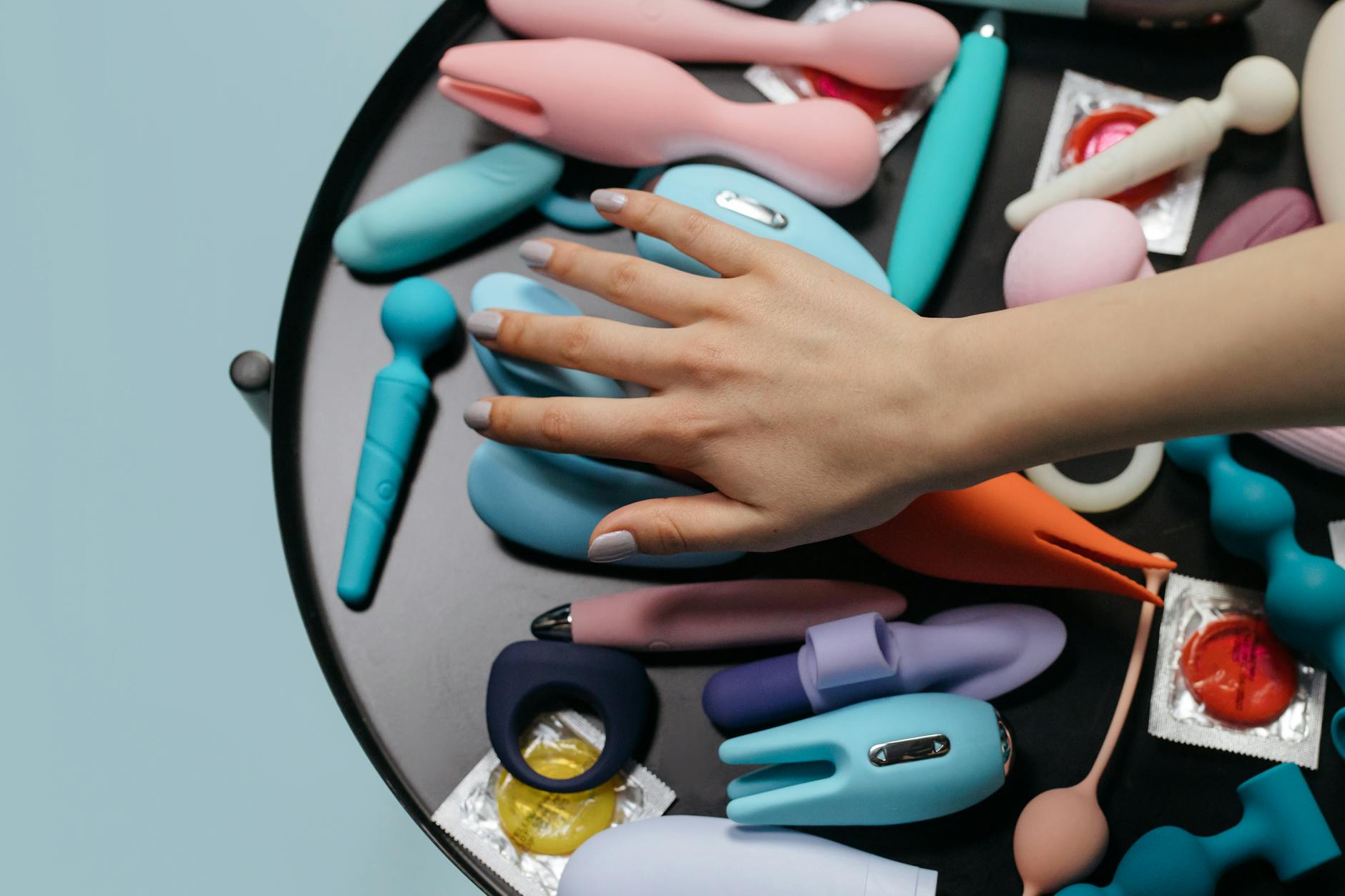
Let's talk about sensitive skin and clitoral toys
Sensitive genital skin is real, common, and often misdiagnosed as a problem with the toy itself. The truth is simpler: your body just needs a different approach. If you have eczema, contact dermatitis, vulvodynia, or even just naturally reactive skin down there, lemon vibrators and other clitoral suckers can still work brilliantly for you. They actually work better than traditional vibrators in many cases, because suction distributes pressure more evenly than direct friction.
Here's what you need to know before you start.
Understanding what makes skin reactive
Your vulva has thinner, more delicate skin than almost anywhere else on your body. That same sensitivity that makes touch feel incredible is also why irritation can happen fast. When you use a lemon vibrator, the suction changes blood flow and creates gentle negative pressure on the tissue. For most people, this feels amazing. For people with sensitive skin, it can trigger inflammation if the conditions aren't right.
Three things usually cause irritation with clitoral toys. First, the toy itself introduces bacteria or irritating materials. Second, you're using it too intensely before your skin is properly warmed up. Third, you're not managing moisture and lubrication correctly. All three are completely preventable.
Pre-play prep for sensitive skin
Don't skip the warm-up. I know it sounds tedious, but this is non-negotiable for reactive skin. Spend five to ten minutes with your hands, a partner's touch, or a softer toy before you bring out the lemon vibrator. Blood flow needs to increase gradually. Your clitoral tissue will swell slightly, which creates a better seal with the toy and actually reduces irritation risk significantly.
While you're warming up, think about what you need mentally too. Stress tightens everything, including the pelvic floor. If you're tense going in, your body will clench around the toy, which increases pressure and risk of micro-tears. Take breaths. Notice where you're holding tension. Release it.
Lubrication matters more than you think
This is the biggest game-changer for sensitive skin. Use a generous amount of water-based lubricant. I'm talking more than feels natural. The lube creates a buffer between the toy and your skin, reduces friction, and helps the seal work better without requiring as much suction intensity.
Apply lube directly to your vulva and to the lemon vibrator cup itself. If you're using it with a partner, they can apply it with their fingers first, which adds intimacy and warmth. Don't be shy about reapplying mid-session. Your body will absorb some of the lubricant, and fresh application helps maintain that protective layer.
Skip silicone-based lubes if you have sensitive skin prone to yeast infections. Water-based is safer and less likely to disrupt your pH balance. Look for formulas without glycerin if irritation is severe. Brands matter less than checking ingredients.
Start with the lowest settings
Lemon vibrators come with multiple intensity levels for a reason. If you have sensitive skin, you're not being timid by starting at pattern one. You're being strategic. Your nervous system needs time to adjust to the new sensation. Once your skin is accustomed to it, you can experiment with higher intensities.
Think of it like increasing exercise intensity. You wouldn't run a marathon on day one. Same principle here. The suction sensation gets more intense as the motor pattern changes, not just when you turn up the volume. Spend at least a few sessions exploring the lower settings before you move up. You might find they deliver exactly what you need.
Timing and duration
Sensitive skin benefits from shorter, more frequent sessions rather than long marathon sessions. Ten to fifteen minutes is perfect for sensitive tissue. You get time to enjoy the experience without overdoing it. If you want longer play, take a break, let your tissue rest for a few minutes, then come back.
How often? Most people with sensitive skin do best with every other day use initially. This gives your tissue time to recover. You can increase frequency once your skin adapts, but pushing it too fast is how you end up with irritation that makes you want to skip the toy entirely. Patience now pays off later.
Materials and cleanliness
Your lemon vibrator should be made from medical-grade silicone or glass. These materials are non-porous and don't harbor bacteria. Before every use, wash the toy with warm soapy water and dry it thoroughly. Bacteria love moisture, and introducing bacteria to already-sensitive skin is a fast track to infection or irritation.
Your hands matter too. Wash them before play. Your genital microbiome is delicate and specific. Foreign bacteria, even from your own hands or a partner's hands, can cause issues. It's not paranoia. It's basic hygiene that sensitive-skinned people need to be extra mindful about.
Reading your body's signals
Itching during use usually means you need more lubrication. Stop, reapply, and continue. Burning or sharp pain means stop immediately. Your body is telling you something is wrong. It might be the intensity, the duration, or an ingredient in your lube. Track what you were doing so you can troubleshoot.
Minor redness after use is normal and usually fades within a few hours. That's inflammation from increased blood flow, which is what you want. Redness that persists, or redness that gets worse over multiple sessions, is your signal to back off and investigate. Maybe try every third day instead of every other day. Maybe switch lubes. Maybe drop the intensity.
What to avoid if you have sensitive skin
Don't use toys with seams or rough edges. Don't use toys made from questionable materials like jelly rubber or phthalates. Don't use scented lubes or lubes with numbing agents. Don't use the toy immediately after shaving or waxing. Don't ignore pain in the name of exploration.
Don't compare your experience to someone else's. The Hello Nancy Lemon vibrator is an incredible clitoral toy, but it works differently for different people. Someone else's perfect settings might cause irritation for you. That's not a failure. It's just information about your body.
When to see a doctor
If irritation develops despite careful use, or if you have persistent itching, burning, or unusual discharge, see a gynecologist. You might have vulvodynia, which requires specific management. You might be allergic to something in your lube. You might need a topical antifungal or anti-inflammatory. Doctors have seen all of this before. They won't judge you for using a toy. They will help you figure out what's actually happening.
The long game
Sensitive skin is manageable. It's not a reason to avoid lemon vibrators or clitoral suckers. It's a reason to use them thoughtfully. Think of the protocol as part of the ritual, not a burden. The warm-up, the lube, the low intensity, the attention to your body's signals. These things turn self-pleasure into something intentional and safe.
Many of my clients with sensitive skin report that once they get the routine dialed in, their experiences with the lemon vibrator become some of their best. The suction is gentler than friction-based vibration. The seal feels intimate. The sensations, when you're not fighting irritation, are incredibly precise. Give yourself permission to go slow, listen to your body, and enjoy the process.