
Here's what nobody tells you
Your vulva is not a template. Every person's anatomy is different, and that difference matters enormously when you're using a suction toy like the Lem. If you have thicker vaginal tissue, textured skin, or a clitoris that sits differently than the "average" anatomy shown in diagrams, standard lemon vibrator guidance won't work for you. The result isn't failure. It's just that you need a different approach.
I've worked with hundreds of people navigating this exact frustration. They buy a lemon clitoral vibrator, follow the basic instructions, and something feels off. Too intense. Not quite right. Uncomfortable. Then they assume the toy isn't for them. Usually, they're just using the wrong pressure, positioning, or suction level for their specific tissue.
What thick or textured tissue actually changes
Thick vaginal tissue is often associated with naturally higher estrogen levels, genetic variation, or skin conditions like lichen sclerosis or dermatitis. Textured tissue might include visible bumps, ridges, or asymmetry on the vulva. None of this is abnormal. It's just anatomy.
Here's what it does to suction-based toys like our lemon vibrators: the seal works differently. A suction toy relies on tight contact between the toy's opening and your clitoris. If your clitoral glans or surrounding tissue is thicker or has ridges, that seal forms unevenly. You might get strong suction in one spot and weak suction in another. Or you might get a vacuum that feels too aggressive because it's concentrating on a smaller surface area.
The fix isn't complicated. It's just intentional.
Pressure is your first adjustment
Start at pattern 1 or 2, not 3. Intensity settings on the Lem are labeled 1-12, and most guides tell beginners to start at 3-4. Ignore that if you have thicker tissue. Your tissue can handle more sustained suction because it's denser. But you still need to let it acclimate.
Spend a full 3-5 minutes at level 1. Your tissues will swell slightly as they become aroused, which actually improves the seal. Only move up to level 2 once that feels gentle and familiar. This matters more with thick tissue because you're working against a naturally firmer surface.
Many people skip this step and jump to level 5 or 6, then feel overwhelmed. That's not a tissue issue. That's pacing.
Angle and positioning matter more than you think
The Lem has a 45-degree angled head. That angle works beautifully for most anatomies, but if your clitoris sits deeply under the hood or your tissue is textured, you might need to adjust how you hold it.
Try this: instead of pressing the toy straight against your clitoris, angle it slightly upward or sideways. Thicker tissue sometimes responds better to approaching from a different angle. The goal is to create even contact across the toy's opening, not to force the standard positioning.
If standard angles feel uncomfortable, rotate the Lem gently side to side in small movements. You're looking for the angle where the seal feels snug but not pinched. That sweet spot changes from person to person, and for people with thicker tissue, it's often 10-15 degrees off the vertical centerline.
Lubrication is less about wetness, more about smoothness
People with thicker tissue often assume they need more lubricant. Actually, the relationship is different. Lubricant smooths the edges. It allows the toy to glide and reposition without friction.
Use a thin layer of water-based lube on the Lem's opening and the surrounding area of your vulva. The goal isn't to create slip. The goal is to remove any microscopic drag that would break the seal. Thicker tissue has more surface area, so there's more opportunity for small friction points to interrupt the suction.
Apply lube sparingly. Too much and the toy won't seal at all. A dime-sized amount is usually enough.
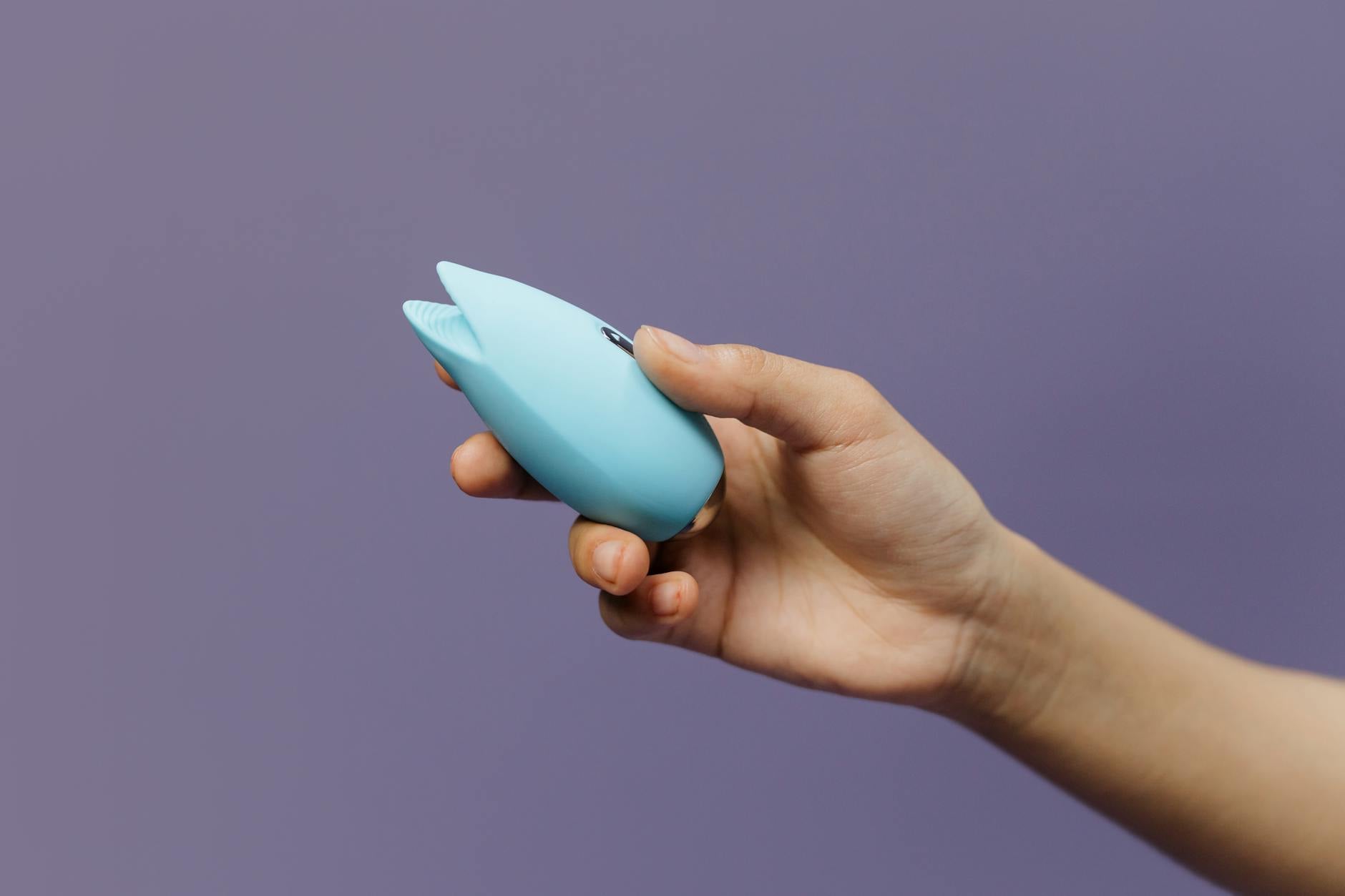
Photo by cottonbro studio on Pexels
Why warmth and blood flow are your secret weapon
Thicker tissue needs more arousal time to function optimally. Spend 10-15 minutes on foreplay before using a lemon vibrator. Fingering, partnered touch, thoughts, fantasies, watching something that turns you on. Anything that increases blood flow to the clitoral area.
Why does this matter for tissue thickness? Because arousal swells the clitoris and surrounding vulva. That swelling creates a better seal. With thinner tissue, you might get adequate suction at lower arousal levels. With thicker tissue, you need that swelling to happen first.
This is one of the most commonly missed steps. People think they can jump straight to the toy. With your anatomy, you can't. That's not a limitation. It's just how your body works.
Pacing through patterns and intensities
Once you've found your angle and have good arousal, you can move through the Lem's patterns. Don't skip. Go through 1, 2, 3, 4 in sequence. Each one teaches your body something new about the rhythm.
When you reach an intensity that feels too strong, don't immediately drop back down. Pause for 30 seconds and let the sensation settle. Often what feels intense in the first 10 seconds will feel just right by 30 seconds as your tissue adjusts. If it still feels too strong, drop back and stay there.
With thicker tissue, you'll often find that the "just right" range is narrower than you'd expect. Maybe level 5 is too much and level 3 is too little, but level 4 is perfect. Spend time there. There's no prize for reaching level 12.
What to do if you're still not getting a seal
If none of this works, you might have tissue that's too thick for traditional suction. That's real. Some anatomies work better with vibration-only toys. But before you give up on the Lem, try one more thing: use the Lem on its lowest pressure setting while also using your fingers to apply gentle external pressure around the toy's opening.
Your fingers create an additional seal. The toy does the suction work, and your hand does the pressure distribution. This hybrid approach works beautifully for people with thicker or highly textured tissue. You get the sensation without fighting anatomy.
When tissue texture includes bumps or ridges
If you have visible bumps, ridges, or papillae on your vulva, the Lem can actually feel better once you adjust. Why? Because those bumps add surface area. More surface means better sensation from suction. But you need to approach it knowing that the seal might not be perfectly smooth.
Consider using the Lem in small, slow movements rather than holding it still. This allows the toy to work across different parts of your textured tissue. You'll get more varied sensation and a better overall experience.
Here's what you actually need to know
Thick or textured vaginal tissue doesn't mean lemon clitoral vibrators won't work for you. It means you need to customize. Start low, take your time with arousal, find your angle, use minimal lubrication for smoothness, and pay attention to what your body is telling you at each intensity level.
If you're frustrated right now because you bought a Lem and it didn't feel right, that's not a failure. It's information. You're learning what your body needs. Adjust, try again, and give it time. Most people find their rhythm within three to five sessions.
People also ask
Does thick tissue mean I'll have less sensation from a lemon vibrator?
No. Sensation is about nerve density, not tissue thickness. Your clitoris has the same number of nerve endings regardless of surrounding tissue thickness. What changes is the type of sensation you feel. You might feel deeper, more pressure-based pleasure rather than surface sensation. That's not less. It's different, and often richer.
Can lemon vibrators cause pain if I have thick vaginal tissue?
Pain usually means one of three things: wrong intensity level, wrong angle, or insufficient arousal. All three are fixable. If you experience pain, stop immediately and try again with more foreplay, lower intensity, and a different angle. If pain persists, check with a healthcare provider to rule out skin conditions like lichen sclerosis.
Should I buy a different toy if I have thick tissue?
Not necessarily. The Lem's flexible head and adjustable intensity make it surprisingly adaptable. Many people with thicker tissue actually love it once they find their technique. But if you prefer a toy that relies entirely on vibration rather than suction, that's also valid. Why Lemon Vibrators Work Better Than Other Toys After Hormonal Changes compares different approaches.
How long does it take to get used to a lemon vibrator with thick tissue?
Three to five uses is typical. Your tissue will feel different each time as your arousal patterns become familiar to the toy. By session five, most people have found their rhythm.
Does thick tissue respond differently to suction versus vibration?
Yes. Thick tissue often responds more strongly to sustained pressure and suction than to rapid vibration alone. This is why lemon vibrators (which combine suction and vibration) tend to work well. How to Use Lemon Vibrators When You're New to Suction Toys walks through the basics if suction is new to you.
Is thick tissue more prone to numbness or desensitization from toy use?
No more than any other tissue. Numbness happens from too much intense stimulation, not from tissue type. The safeguard is pacing and taking breaks. Use your lemon vibrator for 10-15 minutes max, then wait at least a few hours before using it again. Can Lemon Clitoral Vibrators Cause Numbness or Desensitization? goes deeper into this.
What to do next
If you own a Lem and haven't found your rhythm yet, try the adjustments above one at a time. Change one variable per session so you know what actually helped. If you're considering buying one and want to understand whether it's right for your body, check out our guide or reach out to contact us with specific questions. There's no such thing as anatomy that can't find pleasure. There's only technique you haven't found yet.