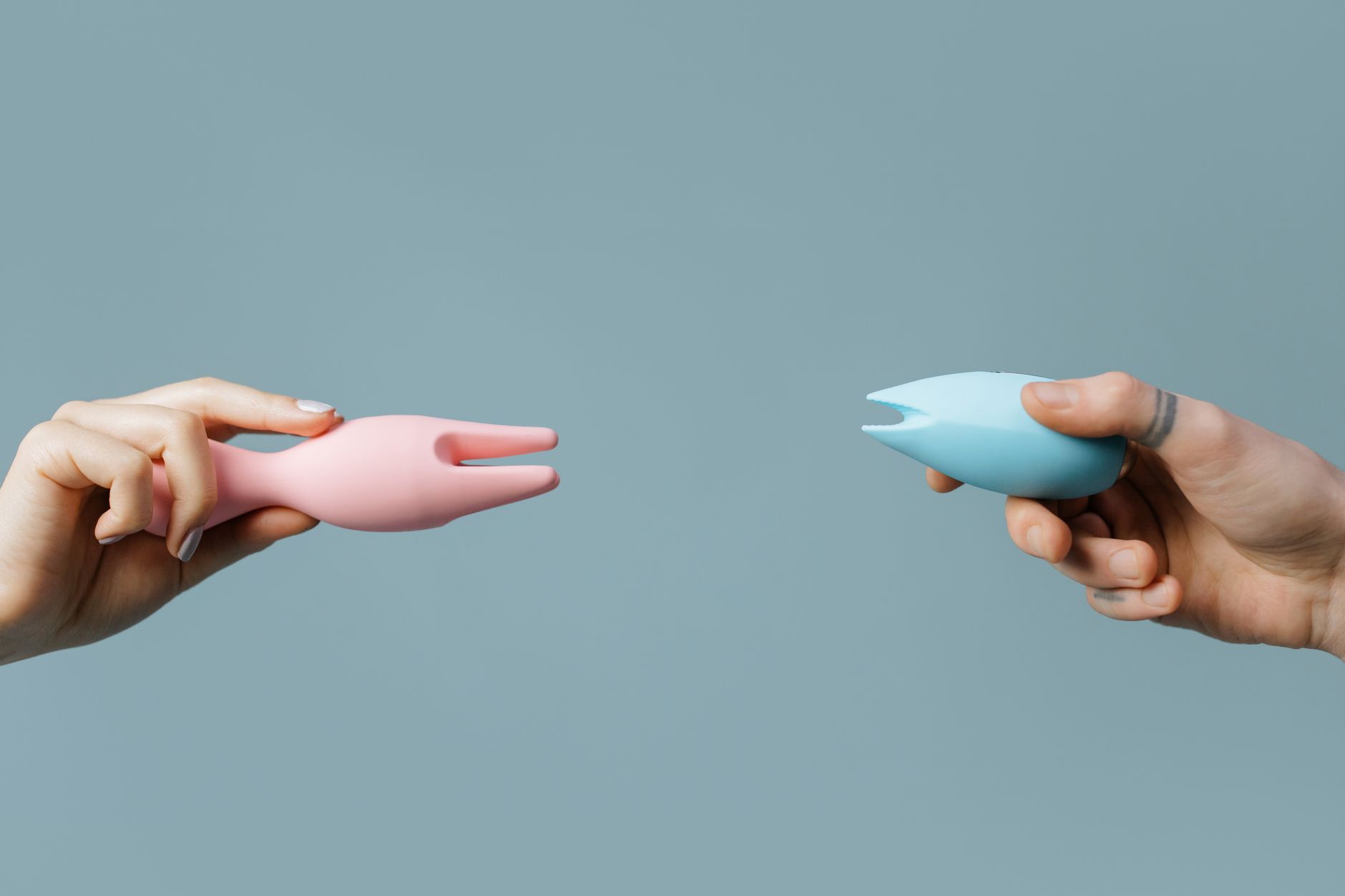
How to Use Lemon Vibrators Comfortably With Vulvodynia in a Relationship
Let's be real. Vulvodynia feels like a barrier to pleasure. It's not. It's a legitimate diagnosis that changes how you approach touch, but it doesn't erase your right to sensation, orgasm, or partnered intimacy.
Here's what I see in practice: couples dealing with vulvodynia often assume toys are off the table entirely. They're not. In fact, lemon clitoral vibrators like the Lem work in ways that can feel safer and less triggering than hands or other toys because they offer consistent, controlled stimulation without unpredictable pressure.
What vulvodynia actually is (and isn't)
Vulvodynia is chronic pain in the vulva without a clear external cause. It's not an infection, not an STI, not psychological. It's real neurology. Some people experience pain everywhere on the vulva. Others have pain only in specific zones. Some days are worse than others. Stress, hormones, and even apprehension about pain can amplify it.
Here's what matters for pleasure: the pain is real, but pleasure is still possible. The clitoris and surrounding tissue can respond to the right kind of touch even when other areas are sensitive. Many people with vulvodynia find that gentle, consistent stimulation in the upper vulva or clitoral area feels manageable or even relieving, while unpredictable pressure elsewhere triggers pain.
This distinction changes everything about how you use a tool like a lemon vibrator.
Why suction toys differ from other vibrators
Traditional vibrators buzz. They create rapid, repetitive pressure directly against tissue. For people with vulvodynia, that direct pressure can feel overwhelming or painful because the nerves are already sensitized.
Lemon suction vibrators work on a different principle. The Lem, for example, creates gentle suction and pulsing sensations that stimulate the clitoris without the same kind of mechanical friction. Think of it like the difference between someone drumming their fingers on your shoulder versus someone gently pressing and releasing. The sensation spreads wider, feels less focused, and many people with vulvodynia report that it feels less triggering than traditional vibration.
Suction also allows you to keep more distance between the toy and the most sensitive areas. You're not placing the toy directly on sore tissue; you're creating a gentle pulling sensation that may stimulate from further away.
Setting up for comfort before pleasure even starts
Four practical steps I recommend:
1. Start with a full pain map. You and your partner should understand which areas hurt and which don't. Some people with vulvodynia can tolerate touch on the clitoris but not the labia. Others are fine with outer vulva but sensitive to penetration. You might even take time together to gently note what feels okay. This isn't clinical; it's intimate information.
2. Use lots of lubricant. Water-based lube reduces friction and creates a buffer layer that can make suction feel less intense. It also helps the toy glide without catching tissue. This is non-negotiable for comfort.
3. Warm up slowly. Don't go straight to sensation play. Spend 15 to 20 minutes on rest, breathing, and non-genital touch first. People with vulvodynia often carry tension in the pelvic floor due to anticipating pain. Relaxation comes first.
4. Start on the lowest setting. The Lem has multiple intensity levels. Begin on pattern one or two, even if you usually prefer higher intensity. Your nervous system needs to learn that this sensation is safe.
How to use lemon vibrators with a partner present
This is where communication gets real. Here's the actual conversation to have:
Tell your partner: "I want to explore pleasure, and I need you to understand that my body works differently right now. The pain is real, but it doesn't mean we can't be intimate. When I use the Lem, I need you to [be present and quiet / talk to me / focus on another area / whatever you need]. If something hurts, I'll say so, and we pause. No shame, no problem-solving in the moment. We just pause."
When you're using the toy:
Start solo, or with your partner as a witness rather than an active participant. This gives you control and reduces performance pressure. Your partner can hold your hand, be nearby, or be in a different room. Many couples find that your partner being present but not initiating touch helps them feel less alone while you're exploring.
If your partner wants to be more involved, the safest setup is them using the toy on you while you guide them. "Move it up," "pause here," "try the lower setting." This keeps you in control and your partner connected.
The positions that work best
Lying on your back with a pillow under your hips tends to feel safest because it opens the vulva without external pressure. Sitting up or kneeling can sometimes create tension in the pelvic floor if you have vulvodynia, so start flat.
If you're with a partner, side-by-side lying down gives you closeness without pressure. Your partner can use the Lem on you while you're both relaxed, which also makes it easier to communicate.
Avoid positions that create downward pressure on the vulva or that require you to hold tension in your legs or pelvic floor.
What your partner needs to understand
Vulvodynia often means one partner is managing pain during intimacy. That's a shift. It can trigger feelings of guilt, performance anxiety, or resentment if it's not named directly.
Here's what helps: be clear that pleasure with vulvodynia is not the same as pleasure without it. It might take longer. It might feel different. It might not happen every time. That's not a failure. The goal isn't an orgasm that matches your history; it's an experience that feels good right now.
For partners: your role is consistency, not intensity. Show up, follow cues, and trust that small sensation is still sensation. If your person isn't having an orgasm, that doesn't mean the experience was a waste. Intimacy without orgasm is still intimacy.
When to involve your doctor
Vulvodynia is treatable. Topical medications, pelvic floor physical therapy, and sometimes nerve blocks can help. If you haven't been to a vulvovaginal health specialist (not just a general gynecologist, but someone who specializes in pain), do that first. Ruling out other causes and getting a clear diagnosis makes everything else easier.
Some specialists also recommend discussing your toy use. If you're using a lemon vibrator, a good clinician can advise on whether it's helping or hindering your specific pain pattern.
FAQ: Vulvodynia and Pleasure
Can vulvodynia get worse if you keep trying to have sex or use toys?
Not inherently. The concern is usually fear-based pain: if you're tensing up because you're afraid it will hurt, that tension makes pain worse. But gentle, consensual exploration with a partner who's patient and attuned to your cues generally doesn't worsen the underlying condition. That said, if something causes immediate sharp pain, pause and talk to your doctor.
Does using a lemon clitoral vibrator regularly change the pain or improve it?
Some people report that consistent, gentle stimulation helps desensitize the area over time. Others find it just feels good without changing the underlying pain. There's no one answer, but what helps most is addressing the root cause (stress, pelvic floor tension, hormonal factors) alongside pleasure exploration. Hello Nancy Avo Shop products like the Lem are tools for sensation, not cures.
What if my partner feels awkward or uncomfortable with the toy?
Talk about it separately from the bedroom. Explain that the toy isn't replacing them; it's adapted to your pain. If they're worried they're "not enough," that's a separate conversation about intimacy worth having with a couple's therapist. Many people with partners initially hesitant about toys find that introducing lemon vibrators to reluctant partners gradually works better than pushing.
Is it normal for pleasure to feel different if you have vulvodynia?
Completely normal. Vulvodynia changes nerve sensitivity, so even when pain isn't present, sensation might feel different. It might feel duller, sharper, more localized, or more spread out. That's not a problem. It's useful information about your body.
Can you have orgasms with vulvodynia while using a lemon vibrator?
Many people do. The suction design of toys like the Lem can sometimes feel easier to build toward orgasm with because the sensation is gentler and less direct. If orgasms aren't happening, stress or pelvic floor tension might be the culprit, not the toy itself. A pelvic floor physical therapist is worth consulting.
How do you know if you're making vulvodynia worse vs. just experiencing normal pain fluctuation?
Normal pain with vulvodynia comes and goes; it's not tied to specific activities. If you notice pain consistently worsens after using a toy, pause and talk to your doctor. But if you're using something gently and pain is just... there (as it usually is with vulvodynia), that's the condition, not the toy's fault.
The bigger picture
Vulvodynia is a long game. You're not trying to "cure" it in one evening with a lemon vibrator. You're creating a sustainable approach to pleasure that respects your body's actual capacity right now.
That means talking to your partner, working with your doctor, maybe seeing a pelvic floor specialist, and giving yourself permission to explore slowly. It means understanding that patience isn't sacrifice. It's the actual path to the most honest, connected intimacy.
Your body's needs matter. So does your pleasure. Both are true at the same time.