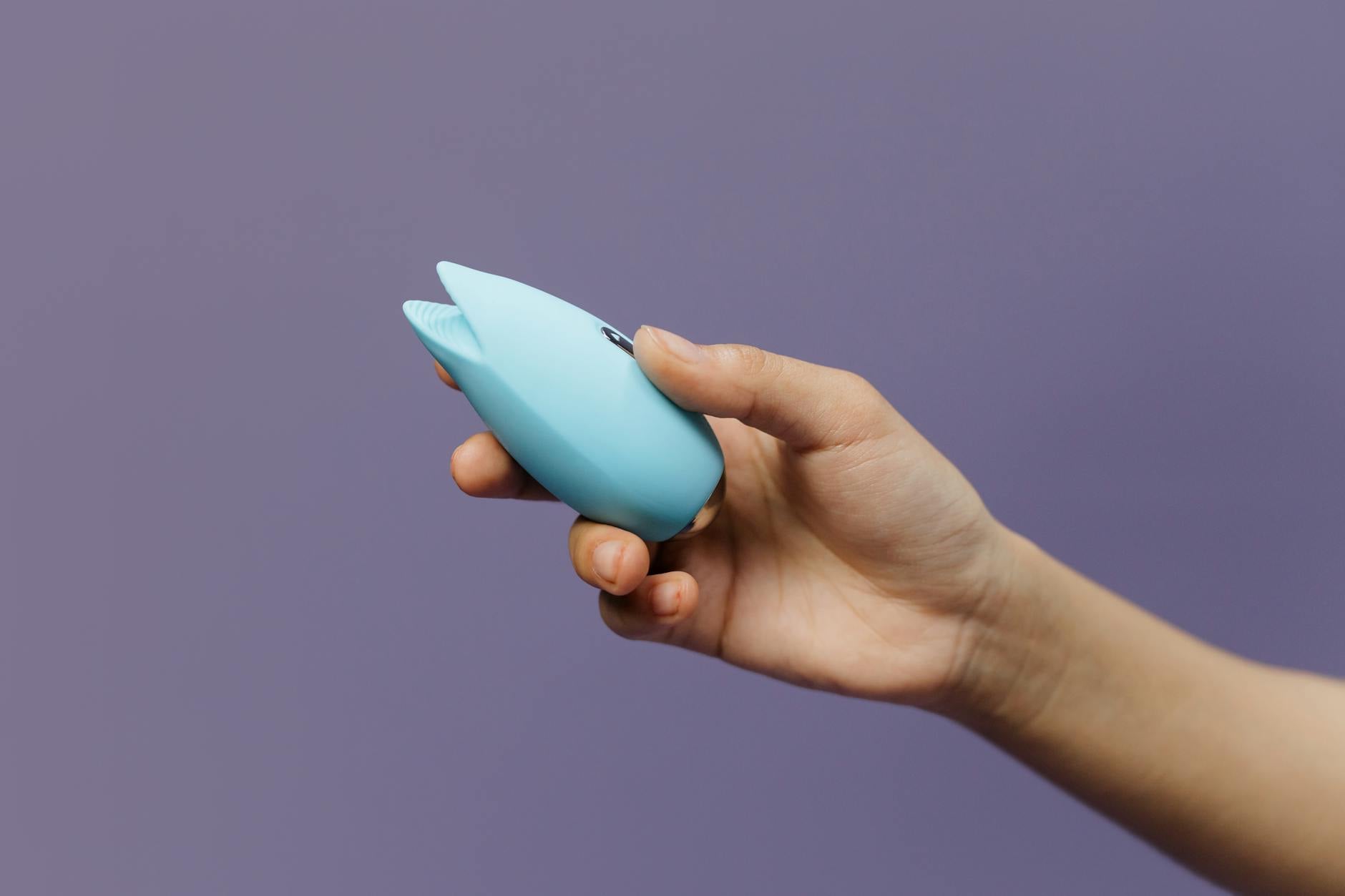
Why Lemon Vibrators May Worsen Pelvic Floor Tension and When to Pause
Some people find lemon clitoral vibrators intensify pelvic floor tightness instead of releasing it. Here's what's happening in your body and how to know if you should take a break.
Let's be real. Lemon vibrators and other clitoral suckers feel amazing for most people. But for some, they trigger the opposite of what you want: instead of relaxation and release, your pelvic floor tightens up. You might notice this as a subtle clench during use, soreness afterward, or a sensation of holding rather than letting go. That's not a personal failing. It's a physiological pattern worth understanding.
Your pelvic floor is a hammock of muscle that sits under your pelvis, supporting your bladder, bowel, and reproductive organs. It's supposed to contract and release. But for many people, especially those with a history of anxiety, trauma, or chronic stress, the pelvic floor becomes habitually tight. It stays partially clenched even at rest.
When you introduce intense sensation like the suction from a lemon vibrator, one of two things can happen. The muscles might finally relax and let go. Or, if they're already overactive, they can grip harder. This is called pelvic floor hypertonicity, and it's way more common than most people realize.
Think of it like touching a tight shoulder: sometimes pressure helps. Sometimes it makes the person guard harder. Your pelvic floor responds to threat the same way. If that tissue is chronically tense, introducing strong suction can feel like a threat, and the muscles clench in response.
Pay attention to what happens after you use a lemon clitoral vibrator. Do any of these show up?
Immediate clenching during use. Your pelvic floor tightens rather than relaxes. You might notice this as a pulling sensation or feel like you're fighting against the toy instead of sinking into sensation.
Soreness or heaviness afterward. You finish and feel achy low in your abdomen or deep in your pelvis, like you just did a hard workout. This isn't the pleasant kind of tired. It's tension.
Difficulty relaxing the pelvic floor. You try to let go between contractions and can't. It feels stuck in a semi-clenched state.
Discomfort with penetration later. You use a lemon sucker and then notice tightness when you try to have sex or insert anything else. This is a red flag that the tissue is guarded.
Urge to urinate or defecate. Intense pelvic floor tension can create a false sense of needing to go. You sit down and nothing happens.
If these show up for you, it doesn't mean lemon vibrators are off the table forever. It means you need a different approach.
Pelvic floor tension clustering around a few risk factors. You're more likely to experience this if you have:
A history of anxiety or panic. The nervous system learns to guard the pelvic floor as a protective response. It becomes a somatic anchor for stress.
Trauma or abuse history. The pelvic floor holds trauma. Even if you've done trauma work, the body sometimes still remembers to stay defended.
Chronic pain conditions. Fibromyalgia, IBS, or endometriosis train your nervous system to brace. The pelvic floor gets swept into that protective posture.
A tight relationship with control. Some people struggle to surrender to sensation. The pelvic floor stays locked as part of a broader pattern of control.
Recent high stress. Major life transitions, grief, or relationship conflict can spike pelvic floor tension temporarily.
None of these mean you're broken. They mean your nervous system is doing exactly what it was designed to do. But it's also doing it too much.
If you've recognized yourself in the signs above, here's how to work with lemon clitoral vibrators without triggering more tension.
Start with the lowest setting. Don't go straight to pattern 3 on the Lem. Stay on pattern 1. You're retraining your nervous system to stay calm instead of guard. Low intensity teaches the muscles that sensation is safe.
Use longer, gentler sessions. Instead of 15 minutes of intense stimulation, try 20 or 25 minutes at the lowest intensity. Slow activation gives your pelvic floor time to recognize there's no threat and release gradually.
Focus on the breathwork. Before you start, take five deep belly breaths. During use, keep breathing. Don't hold your breath. Breath-holding is what pelvic floor tension does. If you notice yourself holding, pause and reset your breathing.
Add pelvic floor relaxation work. Use the lemon vibrator only after you've done five minutes of intentional pelvic floor release. Progressive muscle relaxation, stretching, or even just lying down and consciously softening that area first. You're preparing the tissue to receive sensation safely.
Reduce use frequency. If every time you use a lemon sucker you feel sore afterward, scale back to once a week instead of three times. Let your tissue recover and learn that sensation isn't a threat.
There are moments when stepping away is the smarter choice. Take a break if:
You're in acute physical or emotional stress. Your nervous system is already flooded. Adding intense sensation now will make tension worse, not better.
You have diagnosed pelvic floor dysfunction and haven't started physical therapy yet. Work with a pelvic floor PT first. Once they've helped you down-regulate, you can reintroduce the lemon vibrator safely.
You experience pain during or after use, consistently. Pain is information. It means something needs to change before you continue.
You're in active trauma processing or grief. Grief and trauma live in the body. Your pelvic floor is part of how your nervous system holds that. Intensity right now will deepen the holding pattern, not release it.
Pausing a lemon clitoral vibrator doesn't mean pausing pleasure. It means redirecting toward tools that calm instead of excite.
Try external touch without vibration. Your hand, a partner's hand. Slow, consistent pressure helps the pelvic floor learn to relax.
Explore penetrative sensation at a much slower pace. If a lemon vibrator is too intense, sometimes gentle penetration allows the pelvic floor to surrender in a way suction doesn't.
Work with a pelvic floor physical therapist. They can give you specific exercises to teach your muscles to release. This isn't just about the toy. It's about retraining the nervous system.
Consider somatic practices. Yoga, gentle stretching, or breathwork that focuses on the pelvic floor help reset the tension pattern at the root.
Once your pelvic floor tension has improved, you can try again. Start even lower than you think you need to. Your body has learned that sensation means guard. You're gently teaching it that sensation can also mean release. That takes time.
Pay attention to how your body responds over days and weeks, not just during the moment. The true sign that a lemon vibrator is working for you isn't just pleasure in the moment. It's how you feel afterward. Relaxed. Release. Open. Not tight, sore, or defended.
Your pelvic floor isn't your enemy. Neither is the lemon vibrator. But right now, they might not be a good fit together.
Sometimes, yes. If the tension is stress-related and you manage your stress differently, the pelvic floor often releases. But if it's been tight for months or years, the muscle has learned that tightness is normal. Physical therapy speeds the process by teaching the muscle how to relax again. Don't wait years. A few sessions with a pelvic floor PT can shift what therapy alone might take forever to address.
Not quite. Vaginismus is involuntary clenching that specifically prevents penetration. Pelvic floor tension is broader. You can have general pelvic floor hypertonicity that doesn't fully block penetration but still makes sensation uncomfortable or prevents relaxation. Vaginismus is one expression of pelvic floor tension, but not all pelvic floor tension is vaginismus.
Yes, but different. You won't get the intense, fast build to orgasm you might want. What you'll get is a longer, subtler sensation that lets your nervous system stay calm while you experience pleasure. Some people find this deeper and more satisfying once they adjust. Others prefer to come back to the lemon vibrator once they've done pelvic floor work. Both are valid.
Three to six months of consistent work. If you see a pelvic floor physical therapist and do the exercises they give you, you'll notice shifts in weeks. But full retraining takes time. Your nervous system needs to learn, over and over, that you're safe. That doesn't happen fast. Patience helps.
Yes, but choose carefully. Avoid anything with strong vibration or suction. Smooth penetration, light external touch, or toys that stimulate without intensity are better bets. The goal while you're retraining is sensation that keeps your nervous system calm, not activated. As your pelvic floor releases, you can gradually introduce more intense tools, including lemon vibrators.
Often, yes. Shame about your body, anxiety about sexuality, or stress about control can all train the pelvic floor to stay tight. Somatic therapy or sex-positive therapy can help unwind those patterns while you also do physical pelvic floor work. The best results come from addressing both the nervous system pattern and the physical tension at the same time.
If lemon vibrators are triggering tension instead of release, it's not a sign that you're broken or that suction toys aren't for you. It's information. Your body is telling you it needs a gentler approach right now. Listen to that. Pause the lemon clitoral vibrator, work with a pelvic floor specialist if you can, and come back when your nervous system feels safer.
Your pleasure matters. And so does making sure the tools you're using align with where your body actually is, not where you think it should be. If you'd like to talk through what might work best for your situation, reach out. Sometimes a conversation with someone who gets it helps clarify the path forward.