Here's the thing about antidepressants and sex
Selective serotonin reuptake inhibitors (SSRIs) are genuinely life-changing medications. They lift depression, stabilize anxiety, and give people back their mornings. But they also have a well-documented side effect that nobody talks about enough: they can flatten arousal, numb sensation, and make orgasm feel like pushing a boulder uphill.
About 40% of people on SSRIs report sexual dysfunction. That's not a quirk. That's not something to white-knuckle through. And it's definitely not a reason to choose between your mental health and your pleasure.
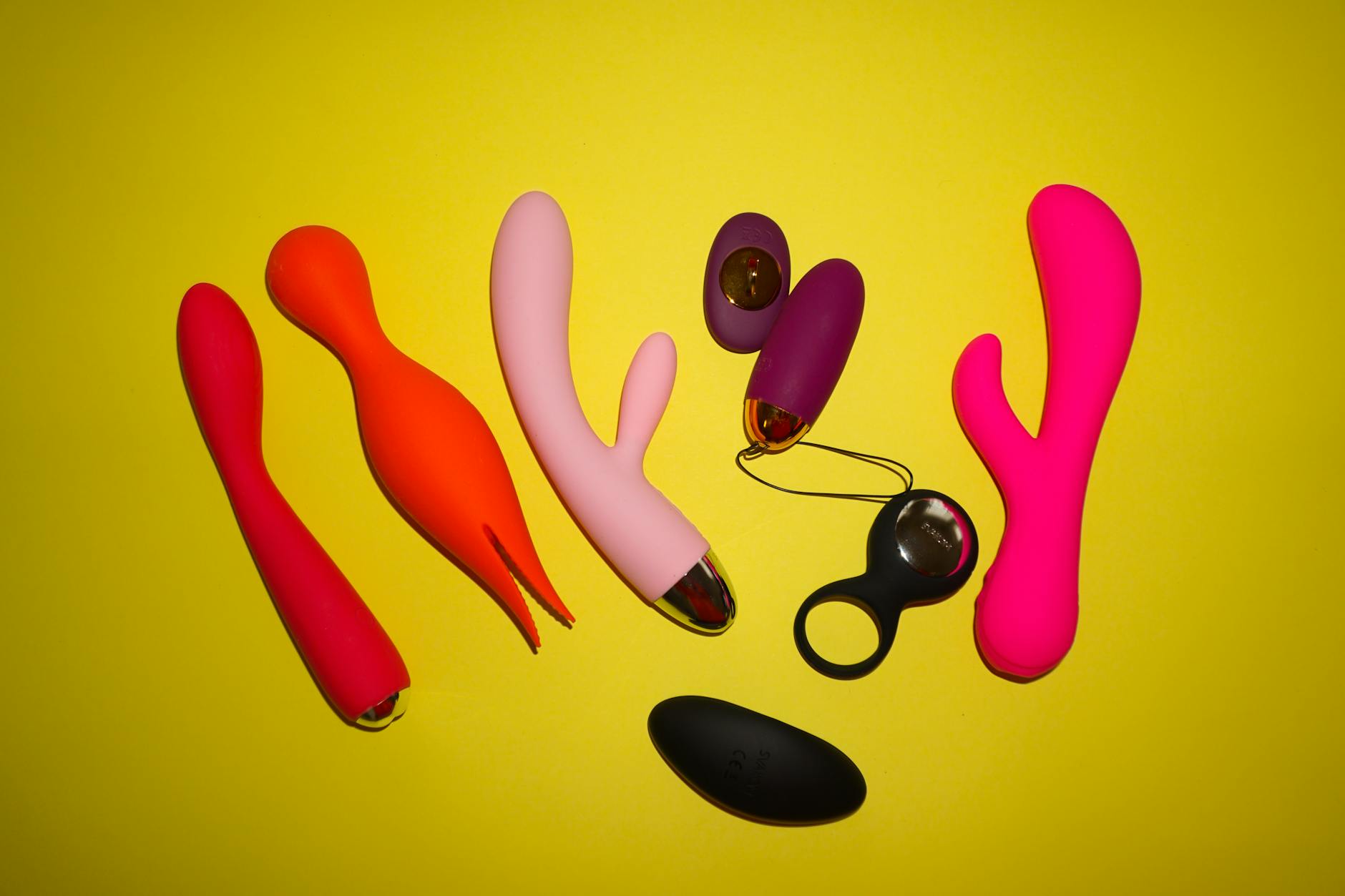
This is where lemon clitoral vibrators change the game. Air-suction technology works differently than traditional vibration, which means it can bypass some of the neural deadening that SSRIs create. I want to walk you through why, and then show you exactly how to use lemon vibrators and other Hello Nancy clitoral vibrators to reconnect with sensation while on antidepressants.
Why SSRIs flatten arousal in the first place
SSRIs work by increasing serotonin availability in your brain. That's fantastic for mood regulation. But serotonin also plays a role in sexual response. Higher serotonin can dampen dopamine signaling in the pleasure centers of your brain. Dopamine is what drives desire, what makes anticipation feel electric, what makes your body respond to touch.
On top of that, SSRIs can reduce genital blood flow. Less blood flow means slower arousal, less natural lubrication (if you have a vulva), and delayed or absent orgasm. Some people on SSRIs describe orgasm as muted, distant, or mechanically possible but emotionally empty.
Here's what matters: this is a known side effect, it's dose-dependent, and it's almost always reversible with the right tools.
How lemon vibrators work differently on SSRI-deadened nerves
Traditional vibrators rely on frequency and intensity to stimulate nerve endings through sustained oscillation. If your nerves are already dampened by serotonin elevation, you might need to crank the intensity dangerously high to feel anything at all. That's unsustainable and frustrating.
Lemon vibrators use pulsed air-suction technology. Instead of vibration, they create gentle suction pulses that stimulate the clitoris and surrounding tissue in quick bursts. This pulsing pattern is less about sustained stimulation and more about rhythmic waves of pressure and release.
Why this matters on SSRIs: your neural pathways aren't dead. They're just quieter. A pulsing, wave-like sensation often cuts through SSRI numbness more effectively than continuous vibration because it creates novelty and contrast. Your nervous system responds more readily to change than to steady-state stimulation.
The mechanism: why suction beats vibration for SSRI-flattened bodies
When you're on an SSRI, your threshold for sensation is elevated. Traditional vibrators demand you push past that threshold consistently. Lemon clitoral vibrators approach it differently.
Suction creates a localized pressure change. Each pulse is distinct. Your nervous system detects the difference between pressure and release, which registers as novel input. This novelty activates your brain's attention systems even when baseline arousal is dampened.
Think of it like this: if someone touches your arm continuously, you stop noticing. But if they tap your arm rhythmically, you stay aware. That's the difference between constant vibration and pulsed suction.
Also important: lemon vibrators don't require as much genital blood flow to work. They create sensation through pressure changes, not through friction or sustained stimulation that depends on tissue engorgement. This is huge for people on SSRIs whose blood flow is already compromised.
Practical steps to use a lemon vibrator on antidepressants
Start low and go slow, but not in the way you might think.
First: timing and context matter. SSRIs work best in your bloodstream consistently, but arousal varies throughout the day. Many people find that arousal is slightly easier earlier in the day or right after exercise (which boosts dopamine). Pick a time when you're naturally more energized.
Second: extend your warm-up. People on SSRIs often need 20-30 minutes of buildup before sensation registers. Use that time. Read erotica. Touch yourself with your hands first. Build anticipation intentionally. Your brain's dopamine system needs the runway.
Third: start at suction level 1 or 2. The lemon vibrator has multiple intensity settings. On an SSRI, resist the urge to jump to level 5 because nothing registered immediately. Give level 1 a full minute of contact. Your nervous system needs time to recognize the input.
Fourth: vary the pattern. The lemon vibrator cycles through different rhythms. Try each one for at least two minutes before switching. Novelty itself is arousing for SSRI-dampened nervous systems. Switching patterns can restart attention and sensation.
Fifth: add lube. Water-based lube reduces friction and lets the suction sensation be the star. It also takes pressure off your body to provide lubrication naturally, which SSRIs often suppress.
The dose-response reality: talk to your prescriber
Some SSRI sexual side effects are dose-dependent. This is worth a conversation with whoever prescribed your medication. Options include: lowering the dose, taking a dose before bed instead of morning, adding a medication like bupropion that boosts dopamine, or switching to a different class of antidepressant (SNRIs like Effexor sometimes have less sexual impact, though that varies).
But here's what I tell my clients: don't wait for that conversation to start exploring pleasure again. Using a lemon clitoral vibrator while you figure out medication timing is a legitimate interim strategy. It's not a workaround that means something is broken. It's a tool that works with your body, not against it.
Common frustrations and what they mean
You might still not orgasm. That's possible, and it doesn't mean lemon vibrators aren't working. On SSRIs, orgasm sometimes requires a combination: the right tool, the right mental state, enough time, and often the absence of performance pressure.
You might find sensation feels