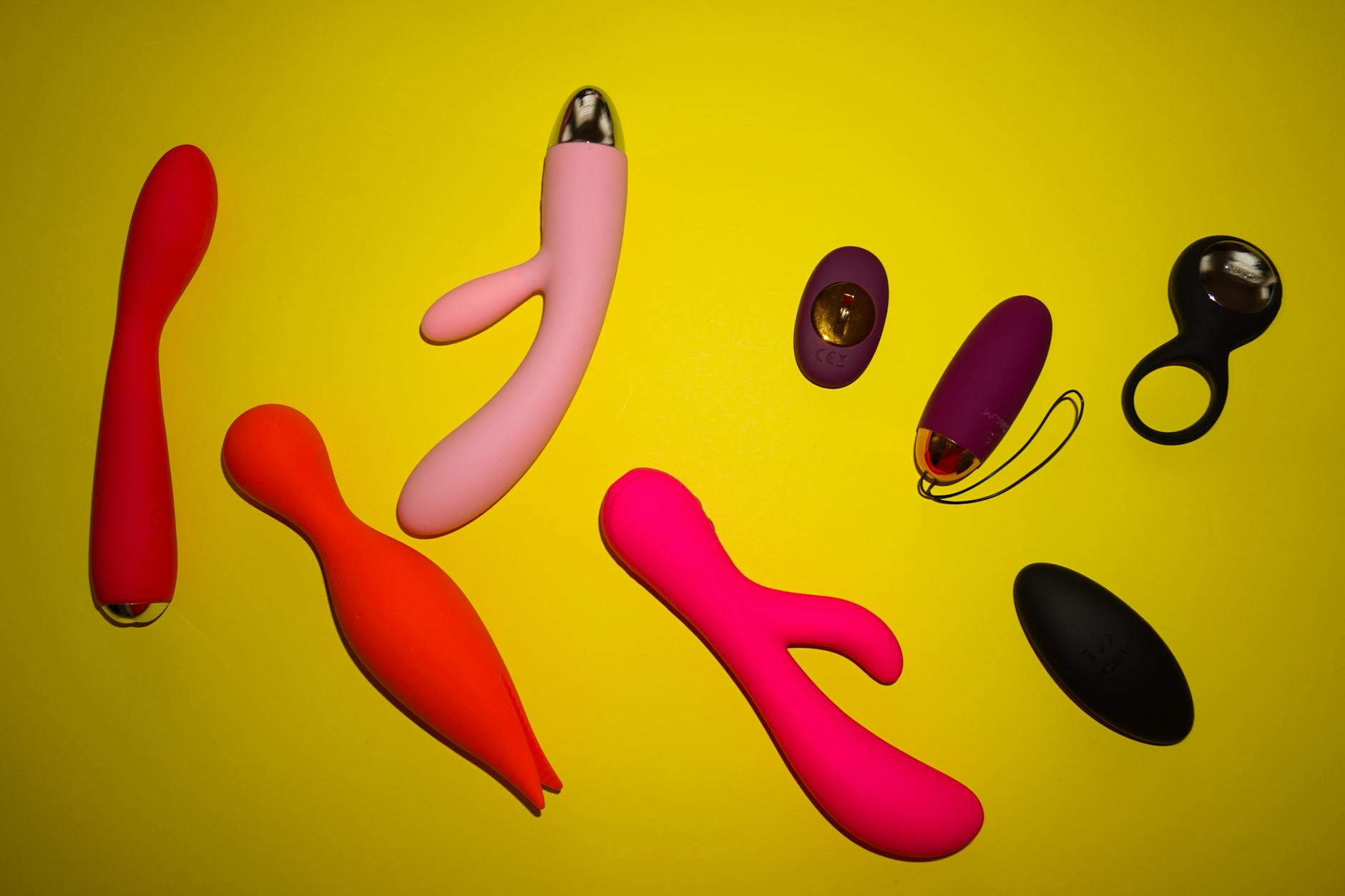
When sex becomes infrequent, everything changes
Let's be real. Some relationships shift into a lower-frequency sexual rhythm. Life gets busy, resentment builds quietly, kids interrupt everything, health changes make sex more complicated, or you both just fall out of sync. The longer it goes, the harder it feels to restart. And then you start wondering if you're still a sexual person at all.
Here's what I see in my practice: people in low-frequency relationships often stop touching themselves too. It feels disloyal, or too vulnerable, or like admitting something's broken. But actually, the opposite is true. Maintaining your own pleasure practice doesn't threaten the relationship. It keeps you grounded, reminds you what you want, and often makes you less resentful about the gap.
That's where a lemon clitoral vibrator comes in. It's not a replacement for partnered sex. It's a reset button for your body and sometimes, surprisingly, for the relationship itself.
Why lemon vibrators work differently in low-frequency situations
A lemon vibrator like the Hello Nancy Lem does something most toys don't: it creates sensation quickly and reliably. When sex is infrequent, your arousal machinery gets rusty. You might need more time to build desire, or you might feel anxious about it because so much time has passed. A suction toy bypasses some of that friction because the stimulation is intense and immediate.
There's also something psychological happening. Using a lemon vibrator solo reminds your nervous system that pleasure is still available to you, even if partnered sex feels distant or complicated right now. That matters more than it sounds.
The other thing: if you do eventually bring the toy into partnered play, suction stimulation feels different than penetration or manual touch. It's novel. It can reset a partner's attention in ways that pure repetition can't.
Starting the solo practice first
Before you introduce a lemon clitoral vibrator to your partner, get comfortable with it alone. This isn't selfish. It's foundational.
Set aside 15 to 20 minutes when you have actual privacy. Put your phone on silent. Don't turn it into a performance or a task. The goal here isn't to have an orgasm every single time. The goal is to feel pleasure without pressure.
Start at pattern 1 or 2 on the Hello Nancy Lem. Let it sit. You'll notice the sensation changes as your body adjusts. Most people need 3 to 5 minutes before they feel ready to increase intensity. If you're used to external vibration, suction might feel stronger at first. That's normal. You're not broken.
When you use a lemon vibrator regularly, even just twice a week, you rebuild the neural pathways that low-frequency sex has started to quiet. Your arousal improves. Your sensitivity stays calibrated. You remember what your body wants.
The conversation before introducing a toy
If you want to use a lemon vibrator with a partner, the setup matters more than the object itself.
Don't spring it on them mid-sex. Don't use it as a commentary on their performance. Instead, pick a calm moment outside the bedroom and say something like: "I've been thinking about my pleasure, and I picked up a toy I want to explore. I'd love to try it with you when we're together. Want to know more about it?"
That's different from: "You're not finishing me off, so I got this." The first invites exploration. The second creates defensiveness.
Most partners who hesitate about toys in low-frequency relationships aren't actually anti-toy. They're usually worried about three things: (1) "Does this mean I'm not enough?" (2) "Will you prefer it to me?" (3) "This feels like a confrontation about our sex life."
You can address all three by being direct and kind. "No, this makes me more present and less anxious in our sex life. No, it does something different than you do. And yes, we should probably talk about our rhythm at some point, but right now I just want to feel good." That's honest without being weaponized.
Using a lemon clitoral vibrator together when sex is rare
When you finally try it together, don't make it a performance. You're not filming content. You're just expanding what intimacy looks like right now.
Start slow. If you have a partner, let them hold the Hello Nancy Lem first, at low intensity, just to feel what it does. This removes some of the mystery. Then hand it to yourself and guide their touch elsewhere (hands, mouth, body) while you use the toy. That combination often feels more connected than toys alone.
The rhythm matters. Suction builds slowly. You might need 5 to 10 minutes before you feel something shift. Your partner doesn't need to do anything fancy. They just need to be present and patient. That presence, in a low-frequency relationship, is often what's been missing more than the physical act itself.
When a toy opens a conversation you've been avoiding
Here's the thing nobody tells you: introducing a lemon vibrator sometimes cracks open the bigger conversation about your sexual rhythm. And that's not a bad outcome, even though it feels scary.
If your partner reacts poorly, that's data. It might mean they have deeper concerns about the relationship that have nothing to do with the toy. They might feel disconnected in ways that sex alone won't fix. A toy can't repair that, but it can make the gap visible. And visibility is the first step toward change.
On the flip side, some couples use a toy as a bridge back to each other. It lowers the stakes. It makes sex feel less like a test of their connection and more like an experiment. And sometimes, that shift in energy is enough to restart a stalled frequency.
Managing guilt (both directions)
If you're using a lemon clitoral vibrator solo while your relationship is low-frequency, you might feel guilty. Don't. Your pleasure isn't a betrayal of the relationship. It's maintenance of yourself.
At the same time, if your partner is using a toy more often than they're initiating sex with you, that's worth naming. Not as judgment, but as information. You might both need support around what's actually happening beneath the surface.
I often recommend couples therapy for exactly this situation. Not because something's wrong, but because low-frequency sex is almost always a symptom of something else: communication breakdown, unresolved resentment, different desire levels, or just life stress that's erased intimacy. A lemon vibrator is a good tool for pleasure. But it's not a substitute for addressing the root.
The unexpected upside
One more thing I've seen happen: when one partner gets serious about their own pleasure, sometimes the other partner follows. They see their partner using a toy with zero shame, feeling good, and suddenly they're curious. It can reframe sexuality in the relationship as something exploratory instead of something broken.
That's not a guarantee. But it's common enough that I mention it. Sometimes you modeling pleasure changes the permission structure for both of you.
FAQ: Low-Frequency Relationships and Lemon Vibrators
How often should I use a lemon vibrator if I'm only having sex once a month?
I'd say 2 to 3 times a week solo, minimum. You're not competing with your partner. You're maintaining arousal capacity and staying connected to what turns you on. When you do have sex, your body won't need as much warm-up, and you'll have less resentment simmering beneath the surface.
Will using a lemon clitoral vibrator make me want partnered sex less?
It's possible but rare. More commonly, the opposite happens. Solo pleasure reduces anxiety and keeps desire circulating. Low-frequency sex often dies because one or both people shut down entirely. A regular practice with a toy keeps that door open.
My partner doesn't know I have a toy. Should I tell them?
That depends on your relationship and whether secrecy is the real issue. If you're hiding it out of shame or fear, you might eventually want to disclose. But there's no moral obligation to share every detail of your solo sex life. That said, if the secrecy feels like a symptom of larger disconnection or dishonesty, that's worth looking at.
Can a lemon vibrator actually fix a low-frequency relationship?
No. A toy is a tool for pleasure, not a relationship repair kit. It can improve how you feel in your body, reduce resentment, and sometimes open a conversation you've been avoiding. But if the relationship has deeper problems, you'll need to address those directly. A toy might help you stay patient and present while you do that work, though.
What if my partner wants to use the lemon vibrator on themselves during partnered sex?
That's great. Many couples find that this takes pressure off the receiving partner and keeps both people engaged. You're not obligated to perform pleasure. You're collaborating on it. A lemon vibrator used this way is a team player, not a threat.
How long does it take to feel comfortable using a suction toy if you've never tried one?
Usually 2 to 4 sessions. The first time might feel overwhelming because the sensation is concentrated. By the third or fourth time, your body adapts and it becomes easier to recognize what you actually enjoy. Patience matters here.
The bottom line
Low-frequency sex doesn't mean you stop being a sexual person. A lemon clitoral vibrator is one way to hold onto that part of yourself while your relationship either finds its rhythm again or settles into a new one. The toy itself isn't the solution. But your willingness to keep your pleasure alive, even when partnered sex is rare? That changes everything.
If you're navigating this right now and you want support thinking through it, reach out. That's what I'm here for.