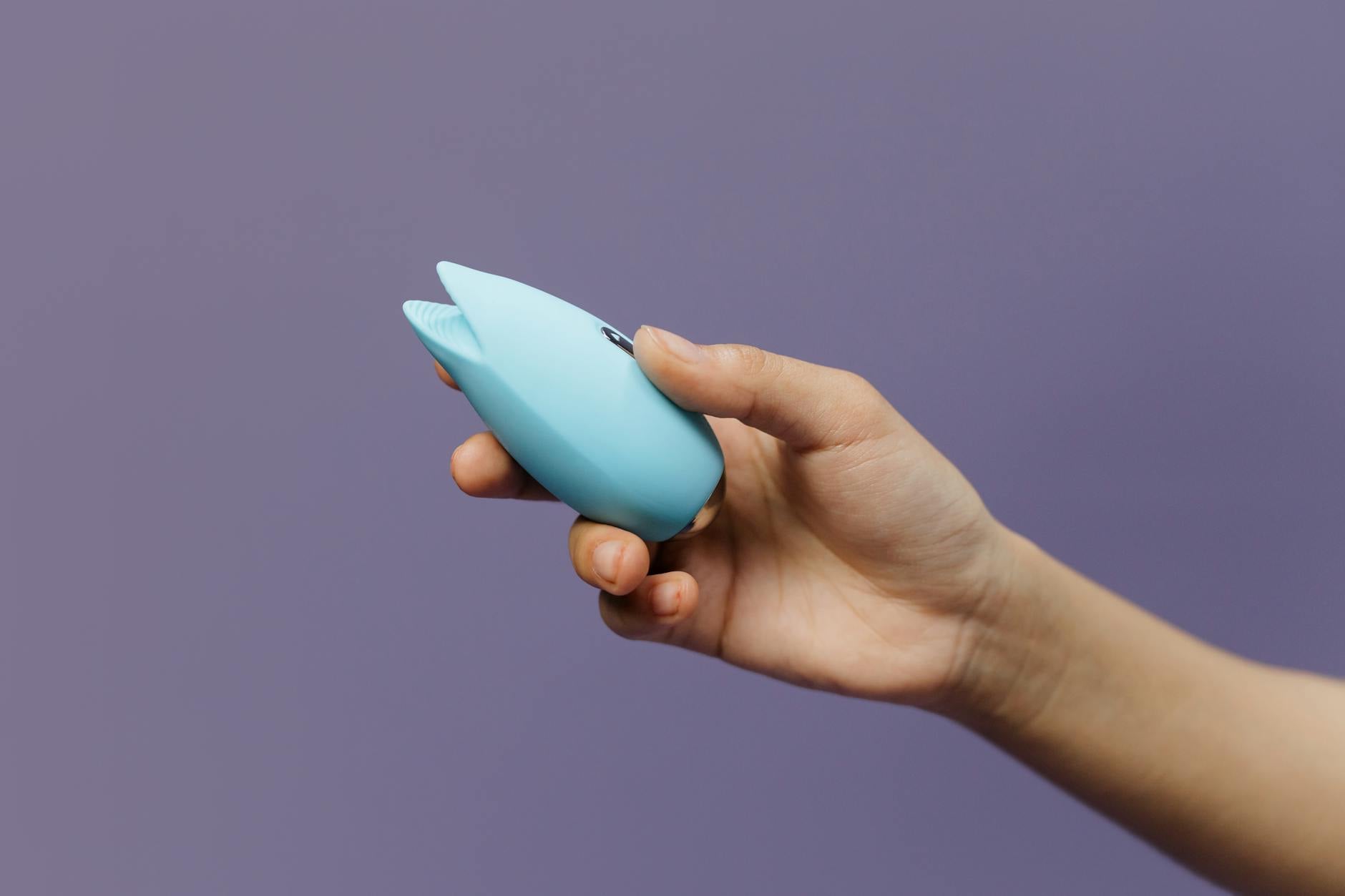
Here's what no one tells you about pleasure after pelvic floor dysfunction
Pelvic floor dysfunction isn't just tight. It's protective. Your pelvic floor has learned that sensation equals pain, so it braces against touch. Even the gentlest vibrator can feel like a threat rather than a tool. That doesn't mean pleasure is gone. It means you need a different approach.
I work with people rebuilding desire after pelvic floor dysfunction regularly. The pattern is always the same: they've done the physical therapy, cleared the pain, and then feel lost when it comes to reintroducing touch. A lemon clitoral vibrator can be part of that healing, but only if you time it right and understand what your nervous system needs.
Why lemon vibrators are actually ideal for pelvic floor recovery
There are several reasons a lemon clitoral vibrator works better than traditional options during pelvic floor rebuilding. First, suction doesn't require direct penetration or internal pressure. Your pelvic floor muscles stay relaxed because there's no object moving inside the vaginal canal. That alone reduces the threat your nervous system perceives.
Second, the lemon vibrator's suction pattern is rhythmic and predictable. Unpredictable sensation triggers protective tension. When your body knows exactly what's coming, your pelvic floor stays softer. Third, you control the intensity precisely. With a lemon clitoral vibrator, you start at setting one and stay there for weeks if needed. No sudden jumps. No performance pressure.
Many people tell me that after months of pelvic floor physical therapy, the first time they felt genuine pleasure again was using a lemon clitoral vibrator at low intensity, completely solo, with zero expectations. That matters clinically. It's not just comforting. It's rewiring.
The timeline your body actually needs
If you're cleared by your pelvic floor therapist to resume sexual activity, you're not necessarily ready for a lemon clitoral vibrator yet. There's a middle phase most people skip, and it's where things fall apart.
Week one through three: no vibrator at all. Instead, practice sensation without pressure. Lie down, warm your external genitals with a heat pad, and touch with dry fingers only. The goal isn't arousal. It's proving to your nervous system that touch doesn't mean pain. Do this for five to ten minutes daily.
Week four through six: introduce lubrication. Use a generous amount of water-based lube and continue external touch with fingers, now focusing on areas that feel safest. Your clitoris might be untouchable right now. That's normal. Work the areas your body invites.
Week seven onward: if touch feels easier and pain hasn't returned, you're ready for a lemon clitoral vibrator. This is still not the time to use it as intended. Instead, place the lemon vibrator against your external genitals, turned off, and practice having it there without tension. Two minutes daily.
Week nine onward: turn on the lemon clitoral vibrator at the lowest setting. One minute only. Not to orgasm. Just to prove sensation can feel good.
This sounds glacially slow. It's not slow enough. Most people who rush this timeline have pain return within weeks.
How to actually use a lemon vibrator when you're rebuilding
Once you're at the stage where your lemon clitoral vibrator is powered on, here's the protocol I recommend.
Always start with external contact only. The lemon vibrator's suction works wonderfully on the clitoris and vulva without any internal component. Press the device against your outer labia or directly onto your clitoris if that feels safe. Most people start with light contact on the side of the clitoris rather than direct pressure. Your sensitivity is heightened right now. Indirect contact might feel better.
Keep your pelvic floor conscious. As you use the lemon vibrator, notice if your pelvic floor is tensing. If it is, pause and do a deliberate relax. Squeeze your pelvic floor muscles for one second, then fully release and exhale. Then resume the lemon vibrator. This teaches your body that you can receive pleasure without bracing.
Don't chase orgasm. Honestly, this is where most rebuilding fails. People think, "I'm finally ready, so I should come." Your nervous system doesn't work that way yet. Use the lemon vibrator for sensation exploration only. Turn it on at setting one, focus on what you feel, and turn it off after three to five minutes regardless of whether you're aroused. Your only job is noticing: Does this feel okay? Am I bracing? Is my breathing steady?
Practice this phase for at least two weeks before moving to setting two on your lemon clitoral vibrator. Yes, two weeks at one setting. Yes, I mean it. Your nervous system is learning that touch is safe. That learning takes time.
When partners want to be involved
Rebuilding pleasure after pelvic floor dysfunction feels isolating when you're in a relationship. Your partner might want to help or feel rejected by the solo work. That tension itself can become a problem.
Here's what I tell couples: this phase is yours alone. Not forever. Right now, yes. Your partner's presence, even well-intentioned, adds performance pressure your nervous system doesn't need. Solo exploration with your lemon vibrator teaches you what feels good before anyone else is in the room.
Once you're comfortable at setting three or four on your lemon clitoral vibrator, usually four to eight weeks in, you can start partnered exploration. Have your partner present but not touching. Use the lemon vibrator yourself while they simply sit with you. Progress to them holding the device if it feels right. This is gradual reintegration, not jumping straight to partnered play.
Communication with your partner matters here. Tell them: "I'm rebuilding trust with my body. Your job is to show up consistently and follow my pace, not to fix anything." Most partners relax once they know their role isn't to make you orgasm. It's to be steady.
Common setbacks and how to troubleshoot them
You'll use the lemon vibrator for three weeks at setting one and feel great. Then one day, setting one triggers pain. This happens. It's not failure. Your nervous system picked up a stress signal somewhere. Maybe there's relationship tension. Maybe your pain flared for an unrelated reason. Maybe you pushed a little harder in the gym.
When this happens, drop back to the previous phase for one week. If you were at setting one, go back to the lemon vibrator off, just external contact. Then build forward again more slowly. This isn't regression. It's recalibration.
Some people feel arousal for the first time in months while using a lemon clitoral vibrator, and that triggers fear. "What if I climax and pain comes back?" If this is you, pause the vibrator when you feel arousal building. You're teaching your nervous system that pleasure is safe before your body tries to reach climax. Orgasm comes later.
A few people discover they prefer the lemon vibrator turned completely off, just using it as a tool for external pressure and massage. That's absolutely valid. You don't have to use the suction function to benefit from a lemon clitoral vibrator's design.
When to involve your therapist
Keep your pelvic floor physical therapist in the loop. Tell them you're using a lemon clitoral vibrator and describe what happens. If pain returns, mention it. If you feel progress, tell them that too. Good pelvic floor therapists actually want you using tools to rebuild pleasure. They're not interested in keeping you in therapy forever.
Some therapists will give you specific clearance points. "Come back when you're comfortable at setting two and we'll progress together." Follow that guidance. Your pelvic floor therapist knows your tissue history and can spot compensation patterns you might miss.
If your pelvic floor therapist tells you not to use toys, that's worth a conversation. Ask why. Is it timed too early in your recovery? Is there a specific concern about pressure? Sometimes the recommendation is about this particular moment in your timeline, not a permanent rule.
Why pleasure matters in recovery
This whole process feels clinical, and it is. But here's the real reason it matters. Rebuilding pleasure after pelvic floor dysfunction is how you reclaim your body as yours again. Right now, your body might feel like a problem to solve. A lemon clitoral vibrator in your hands is evidence that sensation can be good again. That's not trivial. That's everything.
People also ask
How long does it take to feel normal pleasure again after pelvic floor dysfunction?
Timeline varies widely. Some people feel significantly better in eight to twelve weeks. Others need four to six months. Much depends on the severity of your dysfunction and how long you lived with pain before seeking help. If you spent years bracing, your nervous system has a longer reset period. Be patient with this. Fast doesn't mean successful here. Steady does.
Can using a lemon vibrator too soon damage my pelvic floor again?
Not if you follow a gradual protocol. The risk is triggering pain, which makes your pelvic floor tense again. That's uncomfortable but not damaging. The damage has already happened and physical therapy addressed it. What you're doing now is teaching your nervous system that touch is safe. Moving too fast just means you'll feel pain and need to slow down. There's no point of no return if you listen to your body.
Is a lemon vibrator better than a regular vibrator for pelvic floor recovery?
Yes, for most people. A lemon clitoral vibrator requires no internal insertion, works externally only, and provides consistent suction rather than chaotic vibration. That predictability and external-only design makes it ideal for nervous system healing. A traditional vibrator is less ideal because it encourages insertion, which can trigger pelvic floor bracing. That said, this is a general rule. Your pelvic floor therapist might have different recommendations based on your specific situation.
What if arousal still causes pelvic floor tension when I use my lemon vibrator?
That's your nervous system saying arousal still feels unsafe. Pause the vibrator when arousal starts building. You're not failing. You're learning your body's threshold. It usually takes four to eight weeks of regular practice with a lemon clitoral vibrator before arousal stops triggering tension. Some people benefit from breathing work while using the lemon vibrator: slow inhale for four, hold for four, exhale for six. This activates your parasympathetic nervous system and makes tension release easier.
Can I use a lemon vibrator if I have vaginismus too?
Yes, and it's often especially helpful because a lemon clitoral vibrator requires no penetration. Your pelvic floor muscles won't tense against an object because there's no object going inside. Start with the same gradual timeline. Many people with vaginismus feel significant relief using lemon clitoral vibrators as their sole pleasure tool, at least initially. The suction sensation is distinct from penetration, so your nervous system might perceive it differently.
How do I know if I'm ready to move up a setting on my lemon vibrator?
You're ready when you've used the current setting for two consistent weeks without pain, without pelvic floor tension, and without triggering symptoms afterward. "Consistent" means most days. One week and one day doesn't count. Two full weeks means your nervous system has genuinely adapted. When you move up a setting, expect mild tension for a few days. That's normal reacclimatization. If tension persists beyond a few days or pain appears, drop back down.