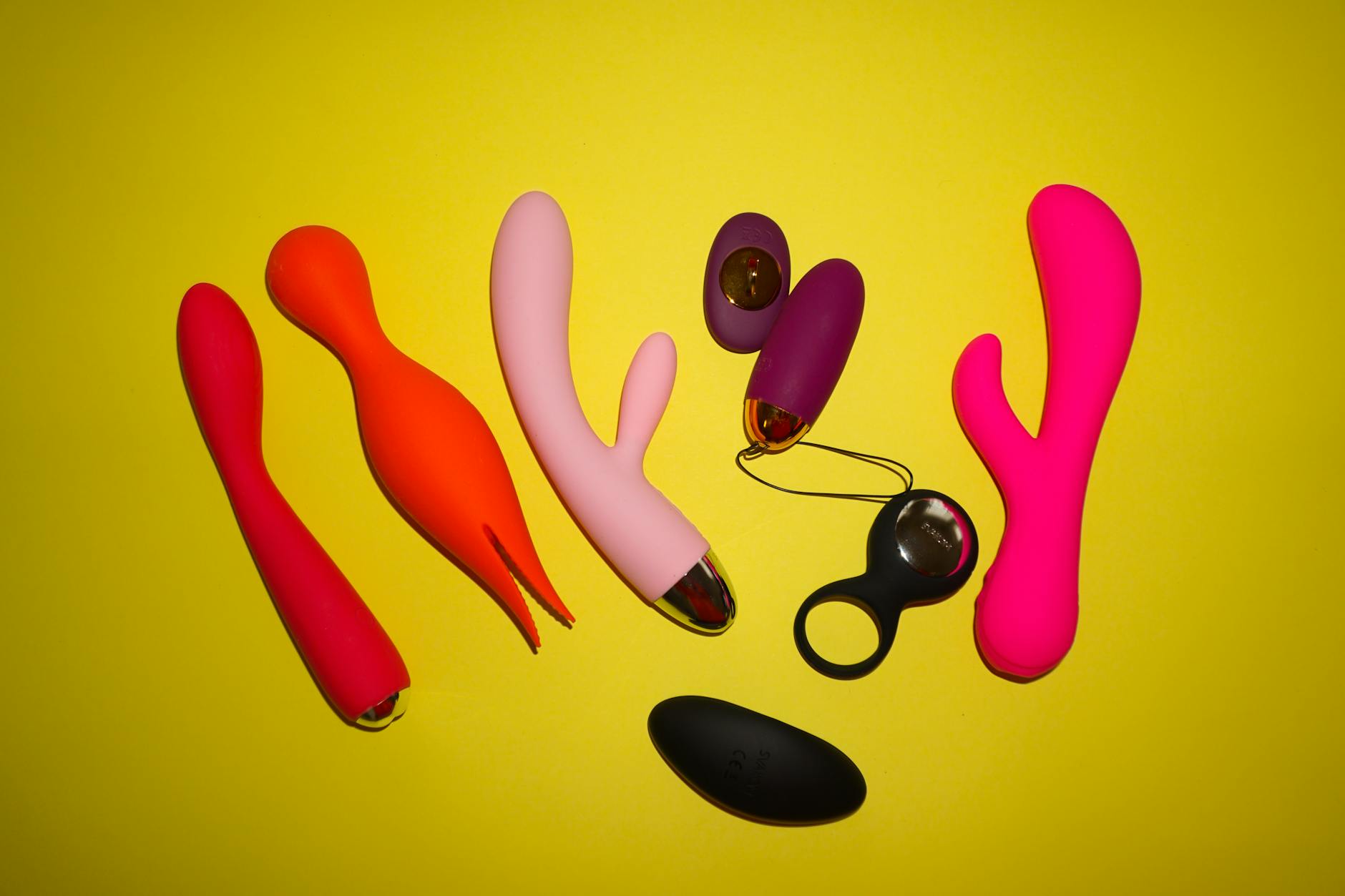
Let's start with the obvious part
Your arousal has slowed down. You're not alone, and it's not a personal failing. Somewhere around 40, or after a major life shift, or alongside medication, or just because your nervous system got tired, many people find that the spark takes longer to ignite. What used to happen in five minutes now takes twenty. Some days it takes an hour. And some days it doesn't happen the way it used to at all.
The reflex is to panic or blame yourself. Neither is useful.
What's actually happening is that your body's arousal response has shifted. The good news: when you understand the mechanics, clitoral lemon vibrators become exponentially more effective. Better still, you often discover that the arousal you finally reach is richer and more intense than the quick-hit version from before.
Why arousal suddenly takes longer
There are about fifteen different reasons your arousal timeline might have stretched. Let me walk through the most common ones so you can figure out which one (or which combination) might be at play for you.
Hormonal shifts are the obvious culprit. Lower estrogen means lower blood flow to genital tissue, which means the physical response that used to be automatic now needs more time and more input to register. The same goes for testosterone drops, which affect desire and response speed in everyone.
Medications are a huge wildcard. Antidepressants, blood pressure meds, antihistamines, and even some birth control formulations can slow arousal or make it feel distant. If this timing coincides with starting something new, that's worth naming in a conversation with your doctor.
Mental load does real physical work. If you're managing aging parents, career pressure, financial anxiety, or relationship friction, your parasympathetic nervous system (the one responsible for relaxation and arousal) is stuck in neutral. Your brain can't shift into pleasure mode if it's running threat assessment in the background.
Routine and habituation flatten arousal over time. After years with the same partner or the same rhythm, your nervous system stops treating sex as novel or interesting. It becomes background static instead of foreground sensation.
Pelvic floor tension is another invisible culprit. When you're chronically stressed, anxious, or grieving, the pelvic floor tightens defensively. That tension actually blocks arousal signaling and makes it harder for blood to flood the tissue that needs to swell for pleasure to build.
Some of these you can shift directly. Others you manage around. Either way, the solution isn't to force faster arousal. It's to design your approach around the arousal speed you actually have right now.
Why clitoral lemon vibrators help when arousal is slow
Here's where the specifics matter. Lemon vibrators like the Lem work differently than traditional vibrators, and that difference becomes crucial when arousal is slow to build.
Traditional vibrators rely on rhythmic buzzing against tissue. They're doing the stimulation for you. If your tissue is slow to respond or your arousal is quiet, the vibrator is essentially vibrating at a wall. You feel it, technically, but the sensation doesn't translate into escalating arousal.
Lemon clitoral vibrators use suction technology instead. They don't vibrate against the surface. They create a gentle vacuum that draws blood into the clitoris, which is literally the arousal response your body would do on its own, just amplified. You're not fighting against a slow response. You're working with your body's natural mechanism and turbocharging it.
In practical terms: when arousal is already slow, suction technology gives you something to feel immediately. You don't have to wait for traditional vibration to build up enough sensation to register. The pressure change from suction is distinct and present from the first squeeze.
The warmup framework that actually works
If arousal is slow, your job is to extend the setup phase and make it count. Here's the structure I recommend to most clients.
Phase One: Mental transition (10-15 minutes). This is not optional. Before any physical touch happens, your brain needs to shift out of task mode. That might be a shower, five minutes of music, a walk around the block, a conversation that makes you feel seen by your partner, or honestly just lying in bed doing nothing but breathing. The goal is to move from "I'm supposed to be aroused" to "I'm curious what might feel good right now." Different every time.
Phase Two: Non-genital touch (5-10 minutes). Hands, mouth, or both on shoulders, neck, chest, inner thighs. The point is to wake up your nervous system's capacity for sensation without immediately trying to build arousal. Many people skip this because they think it's "foreplay" that should be faster. Actually it's the signal to your body that this time is different from regular time.
Phase Three: External touch and observation (5-10 minutes). Hands or a partner's touch on the vulva, but not yet inside. Light stroking, gentle pressure, paying attention to what actually feels good versus what you think should feel good. This is where you notice if you're dry and need lube, if you're tense and need more time, or if sensation is starting to register.
Phase Four: Lemon vibrator introduction (open-ended). Start at the lowest setting, pattern 1 or 2. Apply it for 30 seconds, then take a break for 10-15 seconds. Reapply. The intermittent pattern keeps your nervous system engaged instead of habituating to constant sensation. As arousal builds, you'll naturally feel when you want to increase intensity or speed up the rhythm. Let that happen. Don't rush it.
The whole arc might take 30-45 minutes. That's not excessive. That's your actual arousal timeline right now. Working against it is what creates frustration and disconnection.
Lubrication and the slow-arousal reality
Here's something most guides skip: when arousal is slow to build, you often don't get the natural lubrication that used to be automatic. That's a mechanical problem, not a sign you're not actually interested. You almost certainly need external lube even if you wouldn't have needed it five years ago.
Water-based lube with a clitoral lemon vibrator is essential. Silicone-based feels richer, but it can damage silicone toy bodies. Stick with water-based. Reapply it generously. Your tissue will thank you, and the increased glide means less friction intensity, which matters when you're working with slower arousal.
If you find that lube dries out quickly, either reapply every few minutes or look for a thicker formula. Some people benefit from hybrid lubes (water-based with a silicone feel) which last longer without the damage risk.
Working with a partner when arousal is slow
If you have a partner, they need to understand that slow arousal isn't a reflection on them or your desire for them. It's a timeline shift, not a desire shift. There's a huge difference.
The most useful thing you can do is separate three conversations that often get tangled up. One: "My body is responding on a different timeline now." Two: "I still want to connect with you." Three: "Here's how we can both enjoy this."
Often partners misread slow arousal as rejection. They think if you're not wet or responsive in the first few minutes, you're not interested. That's completely untrue, and naming it explicitly helps. You're interested. You're just not interested in rushing.
Invite them into the extended warmup. Most partners genuinely enjoy having permission to spend fifteen minutes on non-genital touch. It shifts sex from "performance" to "connection," which often solves the slow-arousal problem entirely because you're no longer in your head monitoring whether you're aroused fast enough.
When slow arousal signals something deeper
If arousal has been consistently flat for more than a few months, and extending the warmup and using a lemon clitoral vibrator isn't shifting anything, it's worth checking three things with a healthcare provider.
First, thyroid function. A sluggish thyroid tanks arousal across the board. Second, whether any medication you're on is a known arousal flattener. Third, if there's depression or anxiety that might not feel obvious until someone names it.
Slow arousal can also be a sign that something emotional is unresolved in the relationship. Resentment, disconnection, or unprocessed conflict often shows up first as arousal withdrawal. That's not a physical problem. It's information. In that case, the lemon vibrator isn't the solution. Couples work is.
But most of the time, when arousal slows down, it's just your body changing. And your body changing is not a tragedy. It's an invitation to learn a new rhythm.
FAQ: Slow Arousal and Lemon Vibrators
Why does arousal take longer after 40?
Physiologically, blood flow to genital tissue slows, hormones shift, and your nervous system's baseline activation changes. Psychologically, mental load and routine habituation flatten novelty and response. Usually it's both. The good news is that when you adjust your approach around the slower timeline, the arousal you reach is often deeper and more satisfying than the quick version used to be.
Can lemon vibrators actually speed up slow arousal?
Not in the sense of making it happen in five minutes instead of twenty. What they do is make the arousal that is building more noticeable and pleasurable. Suction technology amplifies your body's natural arousal response without requiring you to overcome a threshold of sensation first. You feel something present and intensifying from the start, which keeps your nervous system engaged instead of frustrated.
Should I be using lube with a lemon vibrator if arousal is slow?
Absolutely. When arousal is slow, natural lubrication is often delayed or lighter. Using water-based lube from the start removes one variable and means you're only managing the arousal timeline, not also managing friction or dryness. It's not a sign of dysfunction. It's smart biomechanics.
How long should I wait before trying a lemon vibrator if arousal is slow?
There's no magic number. The framework I recommend is at least ten minutes of non-genital warmup, then five to ten minutes of external touch, then introduce the vibrator. But honestly, listen to your own body. Some people need thirty minutes before anything registers. Others need five. The point is noticing what your actual timeline is and honoring it instead of fighting it.
Does slow arousal mean you're losing interest in your partner?
No. Slow arousal is a physical or neurological change, not a relational one. But if slow arousal is accompanied by avoidance, resentment, or emotional distance, that's worth examining. The arousal slowness is a symptom. The emotional friction is the actual issue. Both can be addressed, but they need different solutions.
What if lemon vibrators still don't help with slow arousal?
Then you're working with something more complex. Talk to a healthcare provider about thyroid function, medication side effects, or undiagnosed depression. And consider whether the slow arousal coincides with relationship tension that might need couples work. Sometimes the best tool for arousal isn't a vibrator. It's a conversation.
The truth about slow arousal
Your body isn't broken. It's working at a different speed now, and that speed might actually be better for you than the old pace. When you stop fighting it and start working with it, arousal becomes less of a performance metric and more of an actual experience. A lemon clitoral vibrator helps because it amplifies what your body is already doing instead of asking it to do something new. That's the actual advantage. Not speed. Understanding.
If you want more specific guidance on rhythm, timing, or technique, reach out to us. Everyone's arousal timeline is different, and sometimes talking it through with someone who gets it helps clarify what your body actually needs right now.