The difference between arousal and the feeling of arousal
Let's be real. There's a version of arousal that shows up on the surface. Physically, everything works. Blood flows. The body responds. But something's missing. You're going through the motions, and it feels hollow. Like you're watching yourself from somewhere else. That's mechanical arousal. It's the body saying yes while the brain says... nothing.
This happens more often than anyone admits. Sometimes it arrives slowly, built on months of disconnection or performance pressure. Sometimes it hits suddenly after a shift in medication, a relationship rupture, or the aftermath of something exhausting. But the experience is always the same: your body's cooperating, but your mind isn't home.
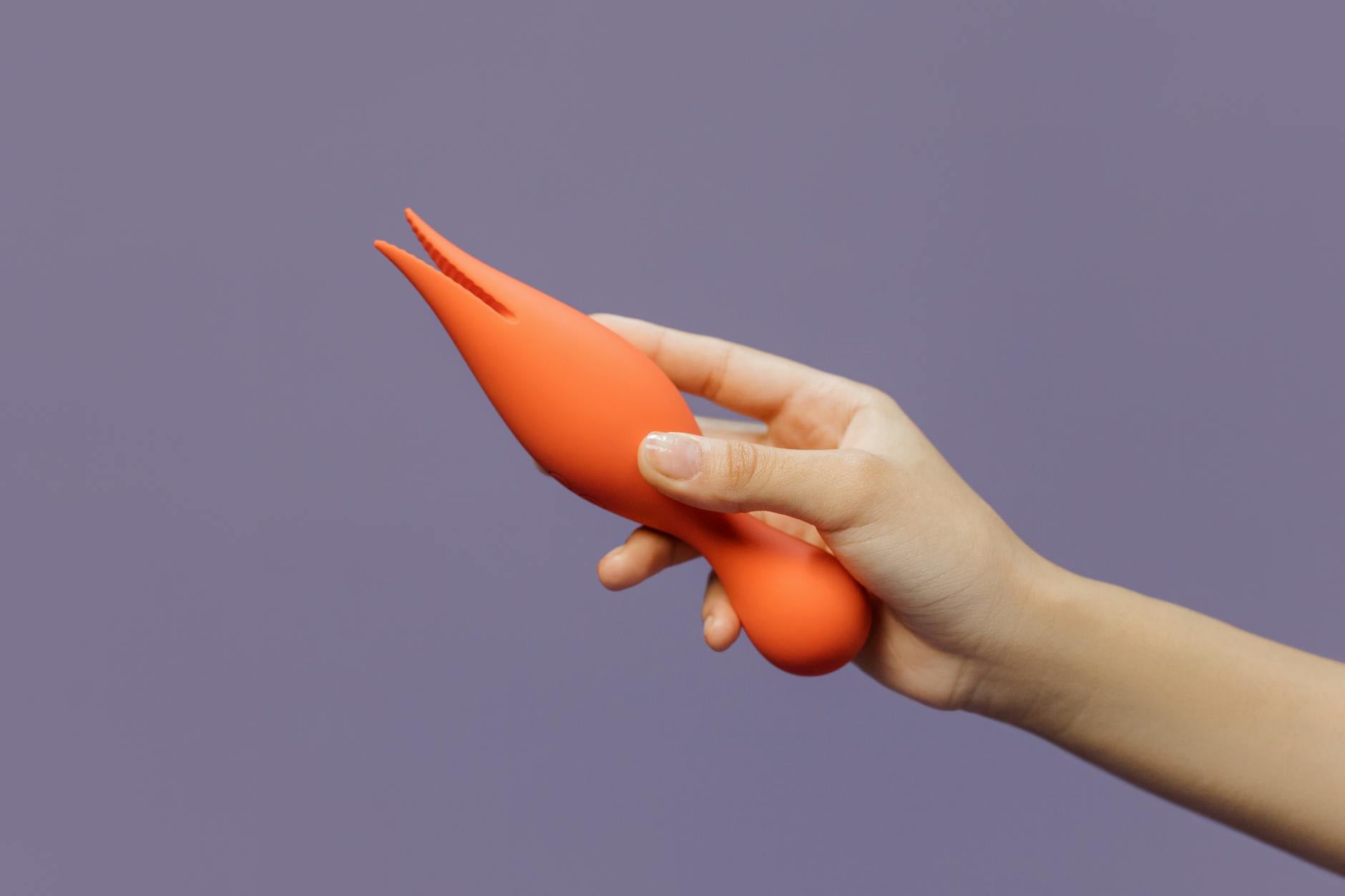
The good news? That disconnection can shift. And lemon clitoral vibrators like the Lem are surprisingly effective at rebuilding the bridge between sensation and emotion because they work differently than you might expect.
Why mechanical arousal happens (it's not broken, it's burned out)
Three common patterns I see in my practice.
First: performance arousal. You've spent so long making sure your partner feels good, or fitting into a rhythm that works for them, that your own desire has gone quiet. Arousal becomes a job you do rather than something you feel. Over time, your nervous system learns that arousal means obligation, not pleasure. That shifts everything at the neurological level.
Second: disconnection from your own body. Stress, trauma, medication, or just years of numbing out can create distance between your brain and the physical sensations happening below the neck. You know you're aroused because the data is there. But the feeling? It doesn't register. This is common after antidepressants, beta-blockers, or hormonal shifts, but it also happens when emotional intimacy has eroded.
Third: pleasure fatigue. The same stimulus stops working. You've used the same toy, the same rhythm, the same position for years. Your nervous system has habituated. It still functions, but it feels gray instead of bright. The novelty is gone. Boredom masquerades as brokenness.
In all three cases, the solution isn't to push harder or add more stimulation. It's to reset the signal.
Why lemon vibrators rebuild emotional connection to sensation
Here's what makes lemon sexual toys different from what you might already have at home.
Most vibrators—especially older ones or cheap ones—use direct, sustained vibration. That works for pure physical response. But if your nervous system has learned to disconnect from sensation, direct vibration can actually reinforce that distance. It's so mechanical, so predictable, that your brain checks out more.
Lemon clitoral vibrators use rhythmic suction patterns. That's a game changer. Suction creates a different neurological pathway than vibration alone. It's less predictable at the micro level, even though it's still consistent. Your nervous system can't zone out in quite the same way because the sensation keeps shifting slightly.
That unpredictability is what brings you back online. It demands attention in a way that feels gentle, not aggressive.
The practical framework: rebuilding arousal that feels real
If you're trying to move from mechanical to genuinely felt arousal, here's what I recommend.
Start with solo time. This matters. You need to rebuild the connection between your body and pleasure without the performance pressure of a partner present. That's not selfish. That's foundational. Solo exploration gives your nervous system permission to feel without obligation.
Use the Lem on low patterns first. Forget starting at pattern 3 or 4. Start at pattern 1. This isn't about sensation strength. It's about reestablishing the signal. Low intensity gives your brain room to notice subtle shifts. It's easier to actually feel something at 30% than to feel lost in the noise at 80%.
Build arousal intentionally before you use it. Don't jump straight to the vibrator. Spend 10-15 minutes doing something that feels genuinely good: reading erotica that speaks to you, fantasy, slow touching, music that makes you feel something. Let your body warm up. Then introduce the lemon vibrator. This teaches your nervous system that arousal is a continuum, not an on-off switch.
Pay attention to what happens between patterns. When you switch from pattern 1 to pattern 2, notice the micro-sensations. How does it feel different? This granular awareness is exactly what breaks the mechanical fog. You're training yourself to feel again.
Stop if you notice yourself dissociating. This is crucial. If you find yourself floating away or watching from above, pause. Step back. Spend time grounding into your body—feel the breath, notice the texture of the sheets, name five things you can see. Then resume only when you feel present. You're rewiring the nervous system, and that takes practice.
The conversation with your partner (if you want one)
If you're in a relationship, and you want to eventually include them, the move is to rebuild the connection solo first. Bring them in once you can feel the difference between mechanical and real arousal on your own. That internal reference point makes it so much easier to communicate what you actually need.
The conversation itself is simple: "I've noticed my arousal has felt disconnected lately. I'm taking some solo time to rebuild that. I'm using a lemon vibrator to help reset things, and I wanted you to know what's happening." Most partners appreciate the honesty and the fact that you're taking it seriously.
When you're ready to bring them back in, don't expect the vibrator to fix the intimacy. The vibrator is for you. Your partner's role is to be present and curious, not to perform alongside the toy.
When disconnection is pointing at something deeper
Sometimes mechanical arousal is just fatigue or medication or stress. Sometimes it's pointing at a bigger relationship issue. If you've rebuilt the solo connection and arousal still feels flat when your partner is present, that's worth paying attention to. Resentment, unresolved conflict, or a lack of emotional safety will numb arousal faster than anything else.
In those cases, the lemon vibrator helps with the physical piece. But the intimacy work is separate. How to Use Lemon Vibrators When Rebuilding Pleasure After Relationship Breaks covers what happens when the disconnection is rooted in the relationship itself.
The timeline for feeling real again
Most people notice a shift within 2-4 weeks of consistent solo practice. Some feel it within days. A few take 6-8 weeks. The timeline depends on how long the disconnection has been there and whether anything else is creating numbness (medication, stress, trauma).
Don't rush it. The point isn't to achieve orgasm. The point is to feel the difference between going through the motions and actually being present. Once that signal rebuilds, everything else gets easier.
Closing the feedback loop
Here's what I want you to know. Mechanical arousal isn't a personal failure. It's not a sign that something's permanently wrong with you. It's your nervous system protecting itself, which is actually smart. When pleasure becomes obligation or disconnection becomes the normal state, your body pulls back. That's a reasonable response to burnout.
Lemon clitoral vibrators work in this situation because they help your brain and body find each other again. The rhythmic suction patterns, the unpredictability, the novelty—all of it creates an opening for genuine sensation to return.
You deserve arousal that feels like something. Not something you're supposed to feel. Something you actually do.
People also ask
Why does arousal sometimes feel empty even though my body is responding?
Disconnection between brain and body happens when you've spent time in performance mode, under stress, or numbing out. Your nervous system learns to separate sensation from feeling as a protective mechanism. When arousal becomes obligation rather than desire, that split widens. The physical response is real, but the emotional experience is absent. Rebuilding presence requires resetting the signal, which is why lemon vibrators and solo practice help. The key is learning to notice and sit with genuine sensation again.
Can medication cause mechanical arousal?
Absolutely. Antidepressants, blood pressure medication, antihistamines, and certain birth control methods can all create distance between sensation and feeling. You might notice physical arousal responses, but they feel muted or disconnected. If this started after a medication change, talk to your prescriber about timing or adjustments. In the meantime, using a lemon vibrator on low intensity helps keep the nervous system engaged, because suction patterns demand more active attention than regular vibration.
How do I know if I'm dissociating during arousal?
Dissociation during sex feels like watching yourself from outside your body, feeling floaty or distant, or noticing that time has passed but you're not sure what happened. You might feel numb even while your body is responding. If this happens, pause completely. Ground yourself by feeling your feet on the ground, naming objects in the room, or focusing on your breath. It's not dangerous, but it means your nervous system needs a break. Resume only when you feel present and anchored.
Is it normal for arousal to feel different at different times in my cycle or life stage?
Completely normal. Hormonal fluctuations, life transitions, relationship changes, and even seasonal shifts affect how arousal feels. What might feel connected one month can feel mechanical the next. The practice of checking in with your body—noticing the difference between genuine sensation and autopilot—helps you adapt to those shifts rather than panic about them.
How long does it take to move from mechanical arousal back to feeling connected?
Most people notice meaningful shifts within 2-4 weeks of consistent solo practice with a lemon vibrator. Some feel it faster. Others need 6-8 weeks, especially if the disconnection has been long-standing or if other things are creating numbness (unresolved relationship conflict, untreated trauma, medication effects). The timeline matters less than consistency. Practicing weekly is better than occasionally.
Can using a vibrator actually make the disconnection worse?
Only if you're using it in a way that reinforces the mechanical pattern. If you're using it as another performance task or pushing through dissociation instead of pausing, yes, that can deepen the problem. That's why I recommend starting low, building arousal intentionally first, and stopping if you notice yourself floating away. The lemon vibrator is a tool for reconnection, not a way to override what your body's telling you.